Start your day with a gradual, natural sunrise that fits heavy sleepers and light sleepers alike. This article highlights five daylight alarm clocks that simulate dawn, support soothing sounds, and offer dual alarms or Bluetooth features. Each pick targets a specific buyer type—from heavy sleepers to bedroom partners—so you can choose the best fit for your routine. The quick comparison table below helps you scan key differences at a glance.
| Product | Best For | |
|---|---|---|
| JALL Full-Screen Wake Up Light | Heavy sleepers, Bluetooth lovers | Full-screen sunrise, 25 sounds, dual alarms, FM radio |
| Odokee Sunrise Alarm Clock | Soothing sleep aid seekers | Sunrise simulation, 25 sounds, Bluetooth audio |
| REACHER Wood Grain Sunrise Clock | Soft, gradual wake with dimmable night light | 0–100% dimmable, 26 sleep sounds, night light |
| Philips SmartSleep Wake-up Light | Clinically guided wake routines | Sunrise/sunset, 5 sounds, FM radio, tap snooze |
| Thybro Sunrise Alarm Clock | Calm mornings with hi-fi audio | 20–30 min gradual sunrise, Hi-Fi audio, multiple settings |
Use this article to compare how each option handles wake-up timing, sound options, display brightness, and extra features like radios or USB charging. The sections below explain who each product is best for and why it stands out for daytime routines and nighttime wind-downs.
JALL Full-Screen Wake Up Light

The JALL clock uses a full-screen sunrise simulation that gradually brightens over 10–60 minutes. It is designed for heavy sleepers who benefit from high light coverage without abrupt alarms. It also includes 25 natural sounds and a built-in FM radio, plus dual alarms and Bluetooth syncing for precise timekeeping. A potential limitation is a busy interface when configuring multiple routines, so set up one routine at a time. Best for households needing distinct wake times and a strong light cue.
Odokee Sunrise Alarm Clock White Noise Machine

Odokee emphasizes circadian-friendly wake-ups with a customizable 5–60 minute sunrise. It offers 25 calming sounds, including white, pink, brown, and blue noise plus nature sounds, and supports Bluetooth audio for streaming. The slower ramp and sleep timer make it a good pick for light sleepers and bedtime wind-down. Choose this if you want a gentle start with integrated Bluetooth playback and flexible sound options.
REACHER Wood Grain Sunrise Clock
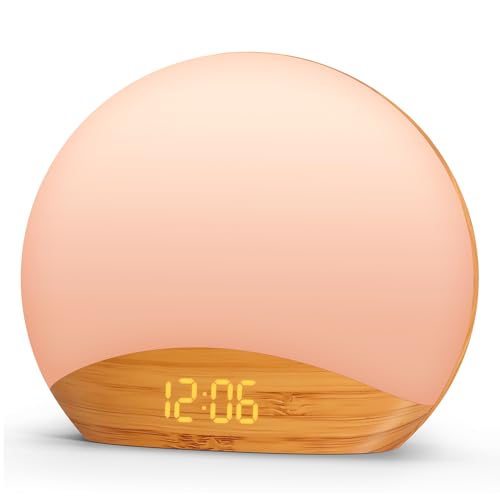
REACHER features a 0–100% dimmable display and eight colors for the night light, making it ideal for people who want a soft, adjustable glow. Its sunrise simulation runs over 5–60 minutes, easing you into wakefulness without jarring bursts. It includes 26 sleep sounds and an auto-off timer. Best for bedrooms where you want a calm, brightness-controlled environment and a flexible wind-down routine.
Philips SmartSleep Wake-up Light

Philips’ system is clinically oriented, combining sunrise and sunset simulations with five natural wake-up sounds. It includes FM radio, tap snooze, and an automatically dimmable display. This option is best for buyers seeking a medically supported routine as part of their sleep-wake cycle, especially those who value a structured approach with gradual light progression and adjustable audio.
Thybro Sunrise Alarm Clock
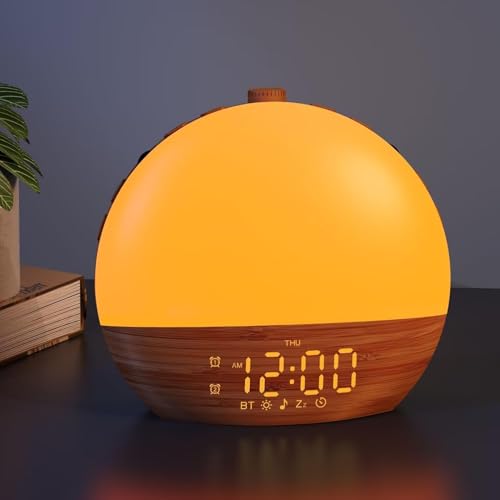
Thybro highlights a natural wake with a 20–30 minute gradual sunrise, plus crystal-clear hi-fi audio. It provides multiple brightness and volume levels and supports long-term sleep routines with gentle bird songs, ocean waves, and more. Best for those who want high-quality audio and an extended, customizable sunrise for a calmer morning routine. A potential limitation is the need to manage more advanced audio settings to reach the exact comfort level.
Buying Guide
What should I consider when choosing a daylight alarm clock?
Look for the sunrise duration (short vs longer ramp), brightness control, and the presence of a night-light option. If you are sensitive to sound, ensure the available wake sounds and volume range fit your needs. Bluetooth or FM radio can add convenience for playing your preferred music or podcasts during wake-up.
How important is dual alarms or routines?
Dual alarms are useful for couples or families with different schedules. Separate settings help avoid disruptions and improve adherence to morning routines. Consider whether you need weekday/weekend distinctions or calendar-based routines for consistent wake times.
What are the best features for light sleepers?
Gradual sunrise, multi-level brightness, a quiet alarm tone, and a warm night-light that can be dimmed or turned off help reduce sleep fragmentation. Some models also offer a blackout or low-glow display to minimize light at night.
What about size, design, and placement?
Choose a clock with a display and light that suits your bedroom’s decor and your bed alignment. A compact unit with a soft light is ideal for small spaces, while larger panels may provide more uniform light distribution for heavy sleepers.
Is a built-in radio or Bluetooth essential?
Radio and Bluetooth add wake-up flexibility, especially if you prefer your own audio. If you want a minimal setup, prioritize sunrise quality and reliable alarm timing over extra features.
How to set up a healthy morning routine?
Plan a gradual sunrise to begin roughly 20–45 minutes before your set wake time. Pair with soothing sounds, and consider a wind-down routine using a sunset transition to help your body prepare for sleep in the evening.
FAQ
- Q: Do daylight alarm clocks actually improve waking up? A: They provide a gradual light cue that can reduce morning grogginess and align with circadian rhythms for many users.
- Q: Can I use these clocks without sound? A: Yes. Many models offer a silent wake with light only or a screen-off mode.
- Q: Are there risks for eye strain with bright dawns? A: Most units allow brightness adjustment to fit personal comfort and room lighting.
- Q: Which is best for couples with different schedules? A: Dual-alarm clocks or models with multiple wake times are ideal.
- Q: Do these clocks replace a traditional alarm completely? A: They can, but many users keep a backup alarm in a phone for redundancy.
- Q: Is a sunrise clock good for kids? A: Yes, especially models with gentle sounds and a kid-friendly night light.