Direct answer: this guide highlights five reliable credit card terminal devices suitable for small businesses looking for versatility, security, and easy setup. The best fits vary by use case: counter sales, mobile service, tableside orders, and offline capability. The list below compares each option’s strengths, ideal buyer, and a practical limitation to consider.
| Product | Best For | Key Benefit | Limitation |
|---|---|---|---|
| Square Terminal | Retail counters and mobile checkout | All-in-one payment, receipt printing | Single-brand ecosystem; may require Square account |
| Square Reader for Contactless & Chip | Entry-level mobile payments | Low barrier to start; offline payments up to 24 hours | Requires compatible device for full POS experience |
| Dejavoo Z8 EMV CTLS | Robust EMV/NFC in a compact form | CTLS compatibility; 2.4″ color LCD | May require Elavon or specific integrations |
| Verifone VX520 DC EMV | Established, PCI-compliant terminal | Strong memory and standard features | Older model; may need additional peripherals |
| First Data FD150 EMV CTLS | EMV/NFC ready with encryption | Compact, secure transactions | Limited data on some model specifics |
Square Terminal – Credit Card Machine to Accept All Payments

Best for: retailers needing a single, portable payment device with printing capability. Why selected: it combines payment processing with receipt printing and can operate at the counter or on the go. It accepts all major credit and debit cards and bills with a straightforward rate structure and no long-term contracts. Chips are processed quickly, typically within two seconds. Caution: dependent on Square ecosystem for some features; ensure it fits your existing sales flow and service model.
Square Reader for Contactless and Chip (2nd Generation)
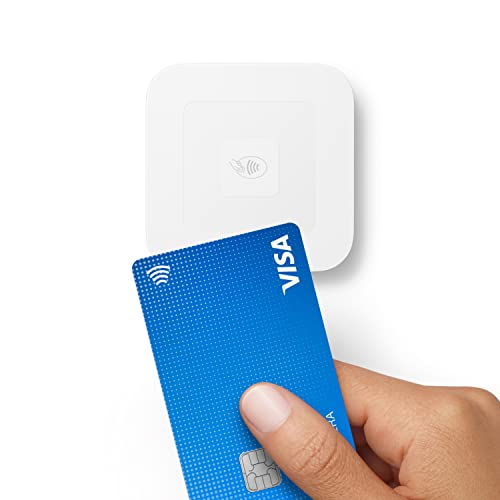
Best for: small teams that want a lightweight mobile solution. Why selected: supports contactless, chip cards, and wallets like Apple Pay and Google Pay. It features improved connectivity and offline payment capability for up to 24 hours, with no monthly fees. Caution: best used with a compatible Square POS; features scale with the ecosystem and may require regular syncing when online.
First Data FD150 EMV CTLS Credit Card Terminal
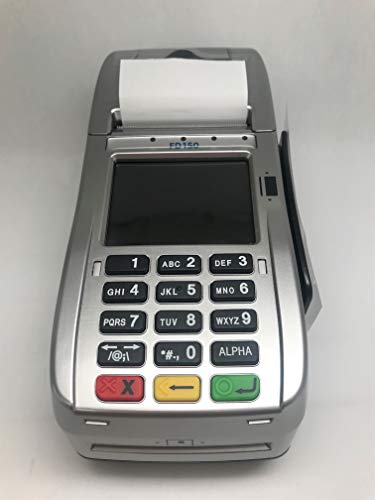
Best for: businesses needing EMV and NFC compatibility with a compact footprint. Why selected: updated to PCI 5.0 in some models, with memory suitable for transaction processing. Caution: data on model variants varies; confirm exact specifications and encryption details before purchase.
Dejavoo Z8 EMV CTLS Credit Card Terminal

Best for: businesses needing a compact, secure NFC and EMV solution. Why selected: includes Elavon encryption and supports chip, EMV, and NFC transactions with a clear color display. Caution: may require specific payment gateways or integrations; verify compatibility with your processor and support terms.
Verifone Vx520 DC EMV Credit Card Terminal

Best for: established point-of-sale setups needing a durable, PCI-compliant terminal. Why selected: robust memory and standard features, suitable for longer-term deployment. Caution: older hardware may lack newer encryption features; check compatibility with current software and peripherals before purchasing.
Buying Guide
What should I prioritize in a credit card terminal?
- Payment capabilities: Ensure the device accepts major card networks, EMV chips, NFC wallets, and offline options if needed.
- Connectivity: Consider devices with Wi-Fi, Ethernet, or cellular options for reliability in different environments.
- Security: Look for PCI compliance, encryption standards, and tamper-resistant designs.
- Ease of use: A clear interface, quick transaction times, and straightforward setup reduce training time.
- Hardware form factor: Countertop, handheld, or mobile options should align with how you sell and serve customers.
Which system fits my business model?
- Brick-and-mortar retailers: A countertop terminal with reliable offline capability is ideal.
- Mobile or on-the-go services: A compact reader or handheld POS improves service speed and table-side transactions.
- Small teams or startups: A cost-effective, easy-to-scale solution with clear pricing helps control upfront costs.
What are common trade-offs to consider?
- All-in-one versus modular: All-in-one devices reduce hardware, but modular setups may offer more customization.
- Brand ecosystem: Some devices work best within a single payment ecosystem; mixed environments may require more integration work.
- Ongoing costs: Be aware of processing rates, monthly fees, and potential offline usage limits.
How to verify compatibility and setup?
- Check processor compatibility, encryption standards, and software requirements before purchase.
- Confirm whether you need additional peripherals (cables, printers, PIN pads) to complete your setup.
- Test a demo transaction if possible to understand the user experience and processing speed.
Frequently Asked Questions
- Do credit card terminals require a contract? Some options offer no long-term commitments, while others are tied to specific payment processors.
- Can I use these devices offline? Several models support offline payments for a limited time, then sync when online.
- Are there recurring monthly fees? Many options minimize ongoing costs, but some have monthly service or processor fees.
- What is EMV, and why does it matter? EMV enables secure chip card transactions and reduces fraud risk at the point of sale.
- Is printing receipts available on these devices? Some terminals, like Square Terminal, include receipt printing as part of the device functions.
- Which terminal offers the best value for a new business? The best value depends on your sales environment, volume, and required features.