Cracked heels are a common concern, especially in colder months. The right cream can soften hard skin, restore moisture and protect against further damage. Below you’ll find five highly regarded options available to UK readers, each backed by active ingredients like urea, shea butter and keratin. This guide highlights how each product works, notable ingredients, and what to consider when choosing a heel repair cream for daily use, sensitive skin, or diabetic concerns.
| Product | Brand | Key Benefit |
|---|---|---|
| Flexitol Cracked Heel Balm | Flexitol | 25% urea for deep moisturisation |
| Scholl Cracked Heel Complete Cream | Dr. Scholl’s | 25% urea with Keratin for skin repair |
| Silkia Pedicare Cracked Heel Repair Cream | Silkia | Clinically tested, fragrance-free |
| O’Keeffe’s Healthy Feet Jar | O’Keeffe’s | Instant moisture and protective barrier |
| CCS Professional Foot Care Cream | CCS | Contains 10% urea, clinician-tested for diabetics |
Flexitol Cracked Heel Balm

Flexitol Cracked Heel Balm is a medically proven formula designed to repair dry, cracked feet quickly. It features 25% urea in a moisturising complex with ProVitamin B5 and Shea Butter to deeply penetrate and hydrate thick skin. User feedback indicates visible softening after short-term use and a high rate of switching from other products, suggesting strong effectiveness for severe dryness and callused heels.
Scholl Cracked Heel Complete Cream

Scholl Cracked Heel Complete Cream with 25% urea and Active K+ Keratin offers deep hydration to rough heels and cracked skin. Its clinically proven formula aims to rebuild skin’s natural barrier and deliver visible results from day one, helping users achieve softer feet within a week with regular use. The product targets dry, thick skin with a moisturising base that supports ongoing repair.
Silkia Pedicare Cracked Heel Repair Cream
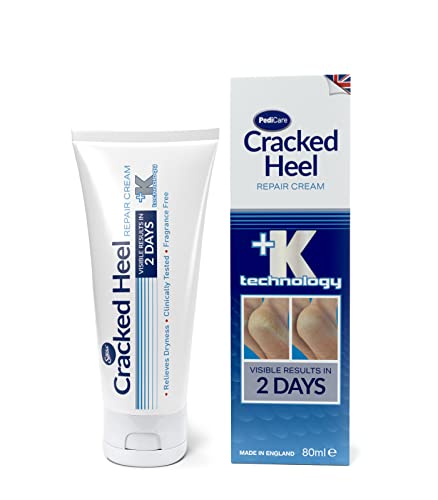
Silkia Pedicare Cracked Heel Repair Cream claims 48-hour active skin repair with clinician testing and fragrance-free formulation. While concise on claims, the product is positioned for users needing targeted heel repair with a focus on skin resilience and comfort. It also notes suitability for use on elbows and knees, suggesting a versatile moisturising approach for rough, dry zones.
Scholl Severe Cracked Heel Repair Balm

Scholl Severe Cracked Heel Repair Restoring Balm is designed for very dry, cracked heels with 25% urea and Epsom salts. This professional-strength formula aims to soften tough skin and restore smoothness with a non-greasy finish. The inclusion of essential oils complements the moisturising action, contributing to 24-hour hydration and long-term skin recovery.
CCS Professional Foot Care Cream

CCS Professional Foot Care Cream provides a 10% urea formulation designed to moisturise and protect dry, callused feet. Clinically tested and suitable for diabetics, this hypo-allergenic cream focuses on maintaining soft, supple skin while supporting skin integrity and resilience. The product’s balanced moisturising profile makes it a reliable daily-care option for very dry feet.
Buying Guide: Key Purchase Considerations
When selecting a cream for cracked heels, consider moisture delivery, active ingredients, skin sensitivity, and user needs such as diabetes or sensitive skin. Urea-based products (typically 10–25%) help dissolve hard skin and improve hydration, but higher concentrations can be more potent and potentially irritating for sensitive users. Fragrance-free formulas are preferable for sensitive skin, especially for diabetics or those with skin conditions. Keratin-rich formulas can support skin repair by reinforcing the outer barrier. For ongoing use, choose a non-greasy finish if you need to wear socks or shoes soon after application.
For those with very dry or thickened skin, a combination approach—daily lightweight hydration with a more intensive weekly treatment—can be effective. Patch testing new products is advised, particularly for those with a history of dermatitis or reactive skin. Consider product labels regarding diabetic suitability and clinical or dermatologist recommendations when selecting a treatment plan.
Durability of results varies by individual; consistent, everyday use is typically required to maintain softer heels. Reading user reviews and consulting healthcare providers can help tailor choices to personal needs and skin type.