Are you searching for the best chorus pedal for guitar to add lush, spatial flavor to your tone? This guide highlights five highly relevant options, explains who benefits most from each, and explains how they differ in sound and feel. Whether you’re aiming for vintage jazz warmth, shimmering pop textures, or lush, wide modulation, these pedals offer clear, controllable options for players at any level. This overview favors pedals with straightforward controls, true-bypass clarity, and durable builds for gigging musicians and home studio players alike.
| Product | Brand | Best For | Key Strength |
|---|---|---|---|
| Donner Tutti Love Analog Chorus | Donner | Jazz, clean rhythm parts | Warm, natural chorus tone with extra LEVEL control |
| Boss CH-1 Super Chorus | BOSS | Clear, cutting chorus in rock and keyboard setups | Reliable, classic chorus with strong presence |
| POGOLAB Chorus Pedal | POGOLAB | Compact setups seeking solid analog flavor | Classic BBD chorus with true bypass |
| MXR Analog Chorus | MXR | All-analog, lush textures | Bucket-brigade based warmth and tone control |
| JOYO Classic Chorus (JF-05) | JOYO | Budget-friendly, transparent chorus | Rich 12-string simulation and simple two-knob control |
The following sections introduce each product with practical buying notes. Each entry identifies who will benefit most, why the pedal was selected, a clear comparison cue, and a potential limitation to consider. Use these details to decide which unit fits your guitar rig and playing style best.
Donner Tutti Love Analog Chorus Pedal

Best for players seeking a warm, classic jazz-like chorus with simple three-knob control plus an extra LEVEL parameter. The Tutti Love uses an analog circuit to reproduce smooth, natural modulation with a stable aluminum-alloy chassis for road use. This pedal suits jazz guitarists who want subtle width as well as rock players who appreciate a touch of vintage character. A potential caution is that the sound profile emphasizes warmth; if you need ultra-clean shimmer or modern sci-fi detuning, you may prefer a different circuit.
BOSS CH-1 Super Chorus

Best for players who want a dependable, clean chorus with proven performance. The BOSS CH-1 offers a classic, bright chorus tone suitable for guitar and keyboard contexts. It remains a top choice for live rigs due to its simple interface and enduring build quality. It provides clarity and edge that helps your chords cut through the mix. Caution: some players may find its shimmer slightly more metallic compared to warm analog pedals; if you prefer a warmer, vintage chorus, consider alternatives with analog circuitry.
POGOLAB Chorus Pedal

Best for compact rigs that still want a solid analog chorus flavor. The POGOLAB uses a classic BBD-based chorus circuit to produce a soft, wide modulated texture with a clear original signal through true bypass. It’s well suited for players who want a straightforward, reliable sound without extra EQ complexity. Limitation: as a compact chassis, pedal spacing and knob feel may be less premium than larger pedals; check pedalboard fit if space is tight.
MXR Analog Chorus
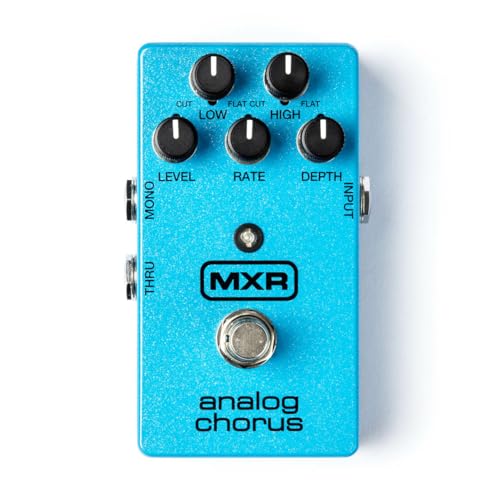
Best for players seeking lush, all-analog texture with broad tonal versatility. The MXR Analog Chorus delivers classic bucket-brigade tone and a focused control set to shape the chorus depth and speed. It’s a go-to for guitarists who want a premium, traditional chorus feel that remains musical across genres. Caution: some users may find the absence of extra modern modulation features a limitation if you need highly transformed, futuristic sounds.
JOYO Classic Chorus (JF-05)

Best for budget-conscious players who still want a robust, transparent analog chorus. The JOYO JF-05 offers a crisp chorus with a simple RATE and WIDTH control set and true bypass. The 12-string simulation feature adds a unique edge for rhythm parts without extra pedals. Choose this if price matters and you want a straightforward, reliable chorus with minimal fuss. Limitation: fewer tonal sculpting options beyond RATE and WIDTH compared to higher-end models.
Buying Guide: Key Considerations For Choosing A Chorus Pedal
What style of chorus do you want? Analog pedals tend to sound warmer and more natural, while digital or hybrid pedals can offer ultra-clean or highly modulated textures. If you’re after a vintage vibe for jazz or chordal comping, prioritize pedals with strong low-end clarity and gentle modulation. For modern pop or ambient textures, consider pedals with wider depth and faster rate options.
How important is size and durability? Gigging players benefit from sturdy enclosures and reliable true-bypass circuits. Compact pedals save space on crowded boards but can compromise feel or knob spacing. Consider a pedal that fits your pedalboard layout and has a robust footswitch for live use.
Is true bypass essential for your signal chain? True bypass minimizes tone coloration when the pedal is off, preserving your guitar’s core tone. If you frequently experiment with multiple pedals, true bypass helps maintain signal integrity across the chain.
What control set do you need? If you want precise shaping, look for extra controls such as LEVEL, WIDTH, and DEPTH. More controls allow you to tailor the chorus to specific songs or genres, but they can complicate quick adjustments live. Balance control depth with your playing style and setup.
Which tonal direction suits your rig? Use a trial approach: try a few options in your rig to compare warmth, width, and modulation rate. A good chorus should complement your core guitar tone without overpowering it. If your guitar already has strong midrange punch, choose a pedal that adds width rather than muddy the clarity.
Frequently Asked Questions
- What is a chorus pedal used for? It modulates the guitar signal by slightly delaying and detuning a copy of the signal, creating a shimmering, multi-voiced sound that thickens chords and solos.
- Should I buy an all-analog chorus? All-analog pedals tend to deliver warmer, more natural modulation, which suits vintage and jazz tones. Digital pedals can offer broader effects and presets, useful for experimentation.
- Is true bypass necessary for live performance? True bypass helps preserve your core tone when effects are off, which is beneficial in complex pedalboards or on stage where noise and tone coloration matter.
- Which chorus is best for beginners? Look for a simple two-knob or three-knob layout with clear Rate, Depth, and Level/Mix controls to ease first-time use and quick tonal adjustments.
- Can chorus pedals simulate 12-string guitar? Some pedals (like certain JOYO models) include 12-string simulation; this can offer a richer, octave-diverse chorus when used with single-coil or humbucker-equipped guitars.