The best cheap film cameras provide classic image quality and a tactile shooting experience without a hefty price tag. This guide highlights five affordable options ideal for beginners, casual shooters, and budget-minded hobbyists who want simple, reliable film photography. Each option emphasizes portability, ease of use, and film-saving features to maximize your shots per roll.
| Product | Type | Best For | Notes |
|---|---|---|---|
| Fujifilm QuickSnap Flash 400 2 Pack | Disposable | Travelers, groups, event shooters | Two cameras, 54 exposures total |
| Fujifilm QuickSnap Flash 400 27 Exposures | Disposable | Casual shooters, beginners | 27 exposures per camera |
| KODAK EKTAR H35 Half Frame Sage | Reusable Half-Frame | Compact carry, film savers | Twice as many photos per roll |
| KODAK EKTAR H35 Half Frame 35mm (Black) | Reusable Half-Frame | Travel light, street photography | Twice as many photos per roll |
| RETO Ultra Wide And Slim 35mm | Reusable Wide-Angle | Scenic shots, landscapes | 22mm ultra-wide lens |
Fujifilm QuickSnap Flash 400 2 Pack

Best For: Group outings and events where multiple quick snapshots are needed. This two-pack provides ample exposures for sharing memories with friends or family. The cameras are pre-loaded with ISO 400 film and offer a built-in 10-foot flash range with a continuous flash switch, ensuring usable photos in varying lighting. The 2-pack option helps keep costs down for social occasions.
Why selected: The two-camera bundle maximizes shooting opportunities without reloading, making it a practical choice for beginners and budget-conscious buyers who value convenience and speed.
Caution: Flash performance can vary with distance and ambient light; indoors may require close subjects for best results.
Fujifilm QuickSnap Flash 400 27 Exposures

Best For: Everyday casual shooting with a single camera ready to go. Pre-loaded with ISO 400 film and 27 exposures, this option balances cost, portability, and usability for newcomers who want a straightforward experience without technical setup.
Why selected: Its simple operation and reliable flash make it a solid pick for spontaneous photography, especially for travel weekends or family outings.
Caution: Being a disposable camera, there is limited control over settings; results depend on lighting and scene composition.
KODAK EKTAR H35 Half Frame Sage

Best For: Film enthusiasts who want doubled photo counts per roll. The half-frame design yields more frames per roll, reducing per-photo costs and increasing experimentation opportunities while keeping the camera lightweight.
Why selected: Its lightweight build and simple focus-free operation suit beginners and travelers seeking compact gear with significant shot-per-roll value.
Caution: The included instructions are straightforward, but handling half-frame framing may require practice to frame subjects precisely.
KODAK EKTAR H35 Half Frame 35mm (Black)
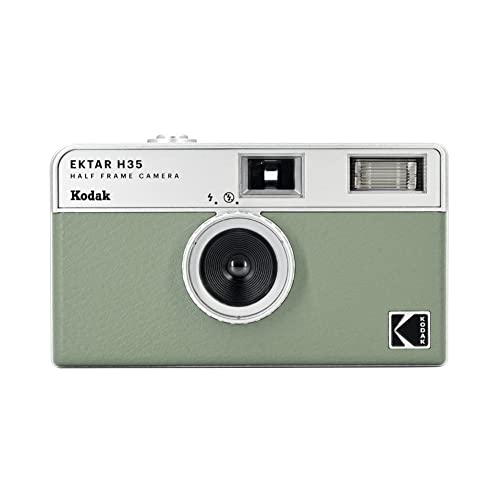
Best For: Everyday carry and street photography where a compact camera is preferred. The half-frame format doubles shot opportunities per roll, making it cost-effective for learners exploring composition and timing.
Why selected: A compact, easy-to-use option with a clear focus on maximizing film usage while maintaining portability.
Caution: This model uses a split-frame approach; practice helps in aligning subjects within the half-frame boundaries.
KODAK FunSaver 35mm Single Use Camera
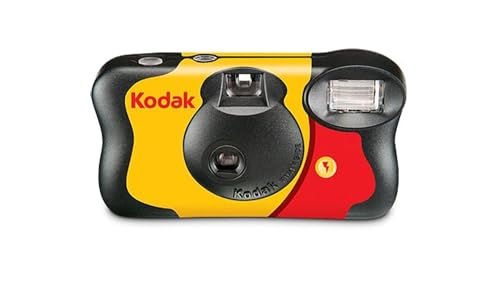
Best For: Quick, no-fuss snapshots during everyday activities. The single-use design is ideal for events, parties, or quick travel moments where you want to capture memories without carrying extra gear.
Why selected: It provides a straightforward, budget-friendly option with a known film format, making it suitable for newcomers who want a simple entry into film photography.
Caution: No adjustable settings; results depend on the environment and available light.
RETO Ultra Wide And Slim 35mm
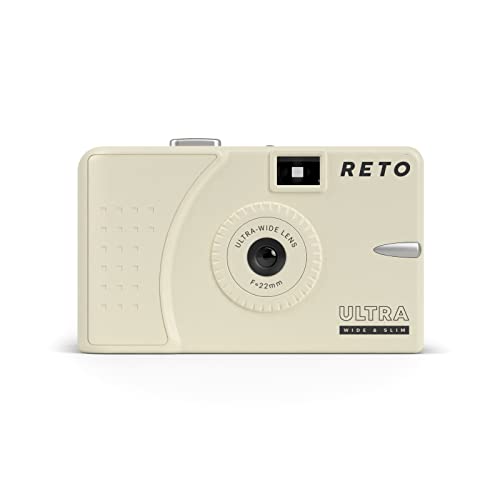
Best For: Landscape lovers and those who want to fit more into a single frame. The 22mm ultra-wide lens helps capture expansive scenes in a compact body for travel and day trips.
Why selected: The wide field of view expands creative possibilities while staying light and easy to carry, appealing to photographers who want cinematic scope without extra gear.
Caution: Ultra-wide lenses can exaggerate perspective; watch for distortion at the edges of frames.
Buying Guide: Key Purchase Considerations
Film format and frame count: Decide between disposable cameras with fixed exposure counts and reusable half-frame or standard 35mm bodies. Half-frame designs double the number of shots per roll, lowering per-photo cost but requiring careful framing.
Portability and ease of use: For travel or quick family photos, lighter cameras with simple operation are advantageous. Built-in flashes help in dim environments, but distance and lighting still matter for quality.
Film availability and cost: ISO 400 film is common, versatile, and forgiving in varied lighting. Consider whether the bundle includes film or if you’ll need to purchase rolls separately.
Lens and field of view: Wide-angle options capture more scenery and crowds, while standard lenses are reliable for portraits and everyday scenes. Half-frame cameras effectively increase shot count but may require more precise framing.
Durability and handling: Reusable 35mm and half-frame cameras are generally robust for travel. Disposable cameras provide convenience for events or single-use scenarios but lack long-term reuse.
Future-proofing: If you plan to shoot more film, a reusable camera with simple mechanics can be more economical over time than disposable options.
Frequently Asked Questions
- What is the benefit of a half-frame camera?
Answer: It doubles the number of photos per roll, reducing cost per image and letting you experiment with more compositions. - Are disposable cameras good for beginners?
Answer: Yes, they’re straightforward and budget-friendly, ideal for learning framing and lighting without worrying about settings. - Will these cameras work with all film types?
Answer: Many are designed for standard 35mm or half-frame film. Check the product details for compatible film formats. - Do I need batteries for these cameras?
Answer: Some models require batteries for the flash or advanced features; others are mechanical and do not. - How should I store exposed film after a trip?
Answer: Keep exposed rolls in a cool, dry place away from direct heat to preserve color and contrast until developing.