When choosing a carbon monoxide detector, the goal is reliable, uninterrupted protection in a compact, easy-to-use package. This guide highlights five top options suitable for different living situations—from stationary plug-in models with battery backup to portable, battery-powered units for travel. Best fits include: homeowners needing fixed protection (plug-in with backups), renters who want portable options, and travelers who seek compact CO monitors for hotels or rentals. Below, compare features, best-use scenarios, and practical cautions to help you decide.
| Product | Best For | Key Benefit |
|---|---|---|
| First Alert CO605 | Homeowners seeking plug-in reliability | Plug-in with battery backup and strong electrochemical sensor |
| Kidde AA Battery Portable | Travelers and temporary spaces | Battery-powered operation with portability and LED indicators |
| First Alert Battery 2-Pack | Budget-conscious households needing multiple alarms | Two alarms with reliable electrochemical sensor |
| Kidde AA Battery Portable with LEDs | Simple, portable CO alarm | Easy to install, battery-powered, compact |
| Kidde COP Plug-In with Battery Backup | Homes needing flexible plug-in with outage resilience | Rotating plug; battery backup; travel-ready design |
First Alert CO605 Plug-in Carbon Monoxide Detector
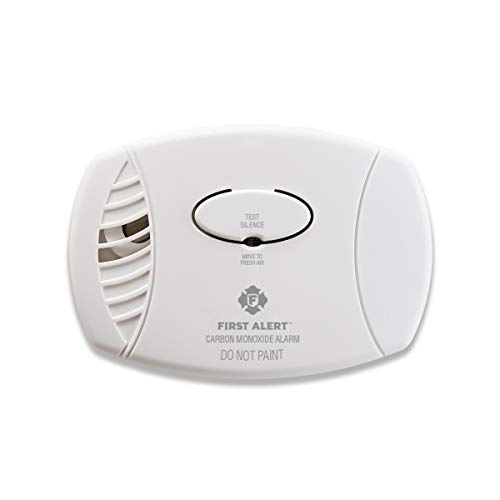
Best for: households that want continuous protection with automatic backup. This unit plugs into any standard outlet and includes a battery backup for operation during power outages. It uses an advanced electrochemical CO sensor for accurate detection regardless of placement in the room. The alarm is loud (85 dB) and clearly indicates danger. A low battery signal can be muted for up to eight hours, which helps when you are monitoring power issues. Caution: ensure the detector is installed at an appropriate height and away from sources of heat or air drafts that could affect sensor readings.
Kidde Carbon Monoxide Detector, AA Battery Powered (Portable)
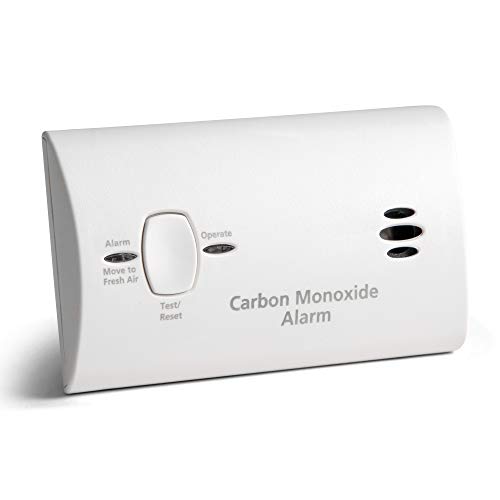
Best for: travelers and temporary spaces needing portable CO monitoring. This detector operates on two AA batteries, so it remains functional during a power outage. It features an electrochemical sensor, a green LED for power, and an 85 dB alarm with a red LED indicator to signal CO presence. Consider this option when you want a lightweight device that travels easily and is simple to set up on a wall or table. Limitation: battery life will affect long-term monitoring; replace batteries as needed for continuous protection.
First Alert Battery Carbon Monoxide Alarm
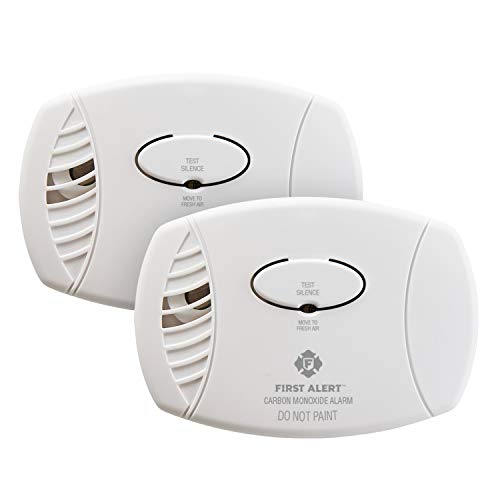
Best for: households that prefer simple, battery-operated protection with minimal setup. This 2-pack includes easy-to-use alarms that provide continuous monitoring during power outages. The unit uses an electrochemical sensor and emits a loud 85 dB alarm when CO is detected. Caution: multiple alarms may require battery replacements over time; verify battery is fresh when testing the unit.
Kidde AA Battery Powered CO Alarm with LEDs
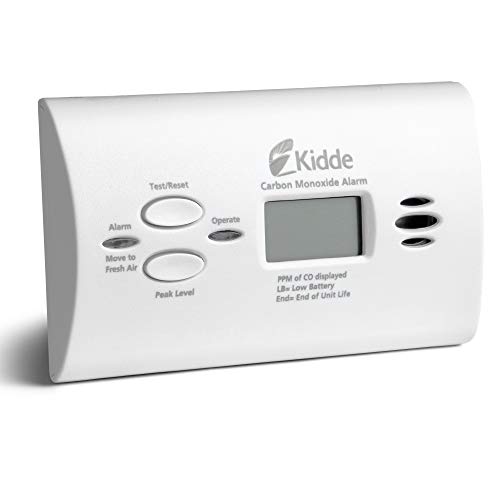
Best for: compact, portable monitoring with clear status indicators. This unit uses an electrochemical sensor and operates on two AA batteries, ensuring operation during power outages. A simple plug-in design makes placement straightforward on a wall or tabletop. Caution: the absence of a built-in backup battery in some models means you must maintain fresh batteries to ensure protection during outages.
Kidde COP Plug-In with Battery Backup

Best for: users who want a flexible plug-in unit that can operate during outages. The COP model monitors CO levels with a loud 85 dB alarm and features a rotating plug to fit vertical or horizontal outlets, plus two AA batteries for backup. It is also notable for its travel-ready design, making it a practical CO detector for hotels or vacation rentals. Limitation: some travelers may prefer a smaller, lighter unit for easier packing.
Kidde Carbon Monoxide Detector, Plug-In with 9V Backup

Best for: homes seeking a digital display with battery backup for outage protection. This model plugs into a standard 120V outlet and includes a 9V battery backup for continued monitoring during power failures. The digital LED display shows the detected CO levels, allowing quick assessment at a glance. Caution: digital displays should be checked periodically to ensure readings remain within safe ranges and to verify the unit is functioning correctly.
Kidde Plug-In with 2 AA Backups
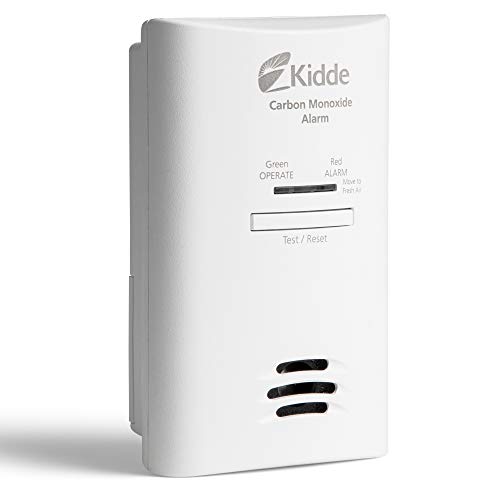
Best for: users who want straightforward plug-in protection with reliable backup power. The device plugs into a 120V outlet and includes two AA batteries for backup. It emits an 85 dB alarm when CO is detected. Caution: ensure power supply is stable to maintain continuous protection; when placed near heat sources or vents, sensor readings may be affected.
Buying Guide: How To Choose The Right Carbon Monoxide Detector
- Power source: Decide between plug-in with battery backup (best for fixed protection) and battery-only (best for portability and outages).
- Sensor technology: Look for electrochemical sensors for accurate CO detection and reliable sensitivity over time.
- Alerts and indicators: Prioritize audible alarms (85 dB or higher) and clear LED indicators or digital displays.
- Placement: Placing detectors on each level and near sleeping areas improves early warnings; avoid ducts and heat sources.
- Maintenance: Check batteries regularly, test the alarm, and replace units every 5-7 years per typical recommendations.
- Portability vs. fixed protection: Travel-ready devices are ideal for hotels; plug-in units suit long-term home use.
- Number of devices: For larger homes, consider multiple units to ensure full coverage and reduce nuisance alarms.
FAQ
- Q: How loud is a standard CO detector alarm? A: Most alarms emit about 85 decibels at a distance, which is designed to wake sleepers and alert occupants quickly.
- Q: Do CO detectors expire? A: Yes, CO detectors typically have a lifespan of 5-7 years depending on the model and usage; check the manufacturer’s guidance.
- Q: Can a CO detector be used in hotels or rentals? A: Portable and travel-friendly models are suitable for temporary spaces; ensure you verify the unit remains functional during your stay.
- Q: Do CO detectors require professional installation? A: Most plug-in and battery-powered models do not require professional installation; follow the user manual for placement and testing.
- Q: Should I use multiple detectors in a single home? A: Yes, placing detectors on every level or near sleeping areas improves detection time and safety.
- Q: What should I do if a CO detector alarm sounds? A: Evacuate the premises immediately and call emergency services from a safe location. Do not ignore the alarm.