Answering the search for affordable, reliable sleep pads, this guide highlights five budget-friendly options that balance comfort, weight, and durability. Ideal for casual hikers, weekend campers, and budget-conscious backpackers, these picks prioritize compactness and value. Each product section notes who it’s best for and why, plus a practical limitation to consider before you buy.
Quick comparison table of selected products:
| Product | Best For | Key Benefit | Approx. Weight |
|---|---|---|---|
| WANNTS Sleeping Pad | Lightweight backpackers | Built-in pump, quick inflation | ≈ 30 oz |
| Therm-a-Rest Z Lite Original | Budget-conscious sleepers | Durable foam, compact | Lightweight |
| FUN PAC Camping Sleeping Pad | Side sleepers | 3″ thick, built-in pillow | Lightweight |
| Gear Doctors Ether 17.5oz | Fast setups | Detachable pump, lifetime support | |
| Oramoose 4in Ultralight Pad | Side sleepers, heavier users | Zero ground contact, built-in pillow |
WANNTS Ultralight Sleeping Pad

Best for: Backpackers who want a compact, quick-inflate option without extra gear. The built-in pump allows 20-second inflation by foot, and the hexagon body-mapping design supports multiple sleep positions.
- In-built foot pump reduces effort and eliminates traditional pumping.
- Waterproof materials with a compact footprint.
- Size expands to 75″ x 25″ for broad coverage.
Limitation: Deflation is quick, but rolling up may take a moment; ensure the valve is properly closed to prevent slow leaks.
Therm-a-Rest Z Lite Original Camping Pad
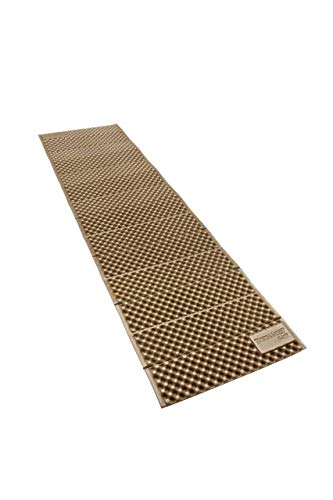
Best for: Value-focused sleepers who want proven durability for cold conditions. This closed-cell foam pad offers a classic compact design with long-standing use among mountaineers.
- Accordion-fold design for easy packing.
- Heat-trapping dimples provide warmth in chilly conditions.
- R-value around 1.7; simplicity over air-filled comfort.
FUN PAC Camping Sleeping Pad with Pillow

Best for: Sleepers who want extra padding and a built-in pillow in a lightweight package. The 3″ thick design provides comfort on varied ground surfaces.
- Extra wide and thick for maximum comfort.
- 30–60 seconds to full inflation with a durable two-layer valve.
- Ultra-lightweight and compact; fits easily in a backpack.
Limitation: Bulkier than ultralight foam mats when rolled; best for modest pack sizes.
Gear Doctors Ether Ultralight Pad

Best for: Outdoor travelers who need a compact, easily inflated mat with strong durability. Features a detachable pump sack and a robust anti-leak valve system.
- Inline air chambers up to 76″ x 25″ with Ergonomic contours.
- Detachable foot pump and quick inflate times (under 90 seconds).
- Durable 20D nylon with water-resistant TPU coating; lifetime replacement promise.
Caution: Despite the strong build, weight is slightly higher than the lightest ultralight options; assess carry preferences accordingly.
Oramoose 4in Ultralight Sleeping Pad

Best for: Side sleepers and travelers who need a high-thickness pad with stable support and a built-in pillow. The 4-inch air layer minimizes ground pressure and offers a quiet surface.
- V-Shape support with 4″ thickness for elevated comfort.
- 30 seconds inflation, 1 second deflation; 24-hour air retention.
- 40D nylon top and bottom with puncture-resistance; supports up to 400 lbs.
Caution: Higher thickness can reduce packability; consider your pack size and trip length when choosing this model.
Buying Guide: Key Purchase Considerations
- Sleep surface type: Air pads are lightweight and packable but require inflation; foam pads are rugged and simple but heavier and bulkier.
- Insulation and warmth: R-values or thickness influence warmth. For cold nights, look for pads with higher insulation and reflective surfaces.
- Inflation method: Built-in pumps simplify setup; external pumps or mouth inflation save weight but may take longer.
- Weight and packed size: Backpackers should balance comfort with weight; ultralight pads trade some durability for grams saved.
- Durability and repair: Look for repair kits, puncture resistance, and warranties or lifetime support when available.
- Bed geometry and sleepers: Side sleepers benefit from thicker, contoured pads; back sleepers may prioritize warmth and surface stability.
- Price-to-performance: Budget options often excel in value; evaluate whether added features justify additional cost for your trips.
Frequently Asked Questions
- What is the best budget sleeping pad for backpacking?
– Pads that balance weight, durability, and comfort, such as ultralight air pads with built-in pumps or robust foam options, provide strong value for most backpackers. - How thick should a sleeping pad be for comfort?
– Thicker pads (around 3″–4″) often improve comfort for side sleepers and uneven ground; 1″–2″ pads are lighter and more compact but may be firmer. - Are foam sleeping pads better than inflatable ones?
– Foam pads are more durable and simple but heavier; inflatable pads offer better compressibility and adjustable comfort at the cost of potential leaks or punctures. - Do I need a pad with insulation for camping?
– Yes, especially in cold environments. Pads with higher insulation or reflective layers help retain body heat and improve warmth on damp or chilly nights. - Can I use a sleeping pad with a sleeping bag on rough ground?
– Yes, a well-padded pad minimizes ground contact, improves comfort, and protects a sleeping bag from moisture and abrasion. - How important is packaging weight for a budget pad?
– For hikers carrying multiple days, lighter options reduce load; for car-camping, durability and comfort may take priority over weight.