Looking for a reliable, affordable sleeping bag that covers year‑round comfort without breaking the bank? This guide highlights top budget options ideal for entry‑level campers, family trips, and weekend hikers. Each pick balances warmth, weight, and durability at a friendly price. The top five selections are suited for different buyers: solo hikers wanting light gear, families with kids, and casual campers seeking easy care. Below, compare each bag’s strengths, ideal use cases, and a practical note to help you choose confidently.
| Product | Best For | Key Benefit |
|---|---|---|
| MalloMe Sleeping Bags | Family-friendly, all‑ages | Lightweight, year‑round warmth |
| PTEROMY Sleeping Bags (Blue) | Backpacking and travelers | Machine washable, water resistant |
| Earth Guru Sleeping Bags | Families and kids | Similar warmth with vibrant color options |
| ECOOPRO Warm Weather Sleeping Bag | Ultra‑compact backpackers | Very light and compressible |
| TETON Sports 20 Degree | Serious hikers and cooler climates | Innovative loft and compact carry |
MalloMe Sleeping Bags for Adults and Kids

Best for family camping and casual backpacking. The MalloMe bag is rated for 50°F to 77°F, fitting up to 6 ft tall users, and weighs around 3 lbs. The outer shell uses a waterproof hex‑tech design with S‑shaped stitching and a 3D synthetic fill for warmth. It comes with a compression sack for easy transport. This bag suits families with kids seeking bright colors and simple care. A potential limitation is performance in extreme cold beyond its rated range.
PTEROMY Sleeping Bags for Adults (Blue)

Best for backpackers who want a compact, washable bag with reliable weather resistance. This bag supports a 50°F–80°F comfort range (40°–90°F limit) and fits most adults up to 6–7 feet tall. It features double S‑stitching for durability, hollowfiber filling, and a soft inner lining. Drawstring hood and inner pocket improve usability. Choose this if you prioritize machine washability and easy maintenance; beware that real‑world warmth may vary in extreme cold.
Earth Guru Sleeping Bags for Adults

Best for family-oriented campers and kids’ trips. Earth Guru mirrors the MalloMe’s year‑round range (50°F to 77°F) and weighs about 3 lbs. The hex‑tech waterproof shell and 3D synthetic fill deliver warmth with a durable exterior. It’s suitable for spring through cool fall conditions and for children who want a bright, inviting sleeping bag. A limitation is similar to other budget options: performance can dip in temperatures well below the rated range.
ECOOPRO Warm Weather Sleeping Bag
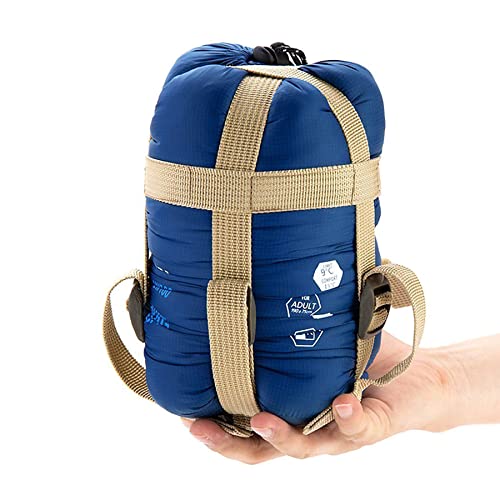
Best for ultralight backpackers and hot‑weather trips. ECOOPRO emphasizes a compact, lightweight design with a compressible sack, rolling into a height of around 11 inches and a weight near 1.7 lbs. The outer nylon shell is waterproof, with a breathable polyester lining, keeping the temperature around 55–60℉ for comfortable sleep. It is ideal for travelers prioritizing pack space, but it may be less warm in cool nights compared to heavier bags.
TETON Sports Trailhead 20 Degree

Best for hikers needing a warmer climate option with compact packing. The Trailhead 20 Degree features a soft liner, a roomy footbox, and a zipper draft tube for comfort. It comes with a stuff sack for easy transport and boasts lightweight loft that compresses well for backpacking. Consider this option if you camp in shoulder season or cooler environments; it might be bulkier than ultralight bags on hot summer nights.
Buying Guide: What to Consider When Choosing a Budget Sleeping Bag
- Temperature rating: Match the bag’s comfort range to your typical camping season and location. If you sleep warm, a 50–60°F rated bag may be sufficient; for cool nights, look for 40–50°F or lower.
- Insulation type: Synthetic fills stay warm when damp and are easier to care for; down offers higher warmth-to-weight but requires more care and can be pricier.
- Weight and packability: For backpackers, lighter weight and smaller packed size improve carry efficiency. Compression sacks are a plus.
- Size and fit: Ensure the bag accommodates your height and girth. Longer models help prevent feet from pressing against the end of the bag.
- Shell and lining: Waterproof or water‑resistant shells protect against moisture; breathable linings improve comfort and reduce sweat buildup.
- Care requirements: Machine washable bags save time but verify washing instructions to avoid damage or mold growth in damp climates.
- Durability: Look for reinforced seams, sturdy zippers, and a reliable compression system for long‑term use.
Frequently Asked Questions
- What temperature rating is best for three‑season camping?
Most three‑season bags target 30–50°F comfort ranges; choose based on local nights and your comfort preference for warmth.
- Is synthetic insulation better for budget sleeping bags?
Yes, synthetic fills perform better when damp and are generally easier to maintain and less expensive than down.
- How important is the weight for casual campers?
Weight matters mainly for long hikes or backpacking trips. For car camping, weight is less critical, but compact packing still helps.
- Should I buy a bag with a hood or draft collar?
Hoods and draft collars improve heat retention in cold conditions and drafts; consider climate and personal preference.
- Can budget sleeping bags be used in cold weather?
They can be used in cold weather within their rated limits, but for very cold conditions, a higher‑quality bag or under‑quilts may be necessary.
- What is the best care for extending a sleeping bag’s life?
Follow the manufacturer’s washing instructions, air dry completely, and store loosely in a cool, dry place.