For cyclists, bone conduction headphones offer a hands-free option that keeps ears open to traffic and surroundings while delivering clear audio. This guide profiles five top picks from reputable brands, highlighting who they’re best for, and practical considerations like comfort, battery life, and water resistance. The top products are suitable for commuters, trail riders, and fitness enthusiasts who want secure fit, open-ear awareness, and reliable wireless performance.
Summary table of selected products:
| Product | Best For | Open-Ear Comfort | Water Resistance | Bluetooth Version |
|---|---|---|---|---|
| PSIER Bone Conduction Headphones | Urban cyclists needing strong audio with awareness | Lightweight, enclosed cavity design | IPX5 | 6.0 |
| SHOKZ New OpenRun Pro 2 | Runners and cyclists requiring secure fit | Unibody frame with ear hooks | Water resistant | 6.0 |
| Galopge Bone Conduction Headphones | Budget-friendly, active riders | Ultra-light 22 g | IP55 | 6.0 |
| New Bone Conduction Headphones (Gavhaio) | Balanced audio with private listening | Wraparound lightweight design | IP54 | 6.0 |
| CXK Bone Conduction Headphones | Music lovers who bike in noisy environments | Large 15mm drivers | IPX6 | 6.0 |
PSIER Bone Conduction Headphones

Best for: cyclists who want robust Bluetooth connectivity and strong sound without blocking the ears. These open-ear headphones use an enclosed cavity design to preserve sound quality while maintaining situational awareness. The 6.0 Bluetooth supports fast pairing and reliable range, and the IPX5 rating helps with sweat and rain during rides.
Why selected: The PSIER model emphasizes upgraded bone conduction technology and a secure, lightweight build. At 23 g, the flexible memory-titanium frame fits various head shapes and stays stable during movement, making it a practical choice for year-round cycling.
What to know: The large 13 mm bone conduction drivers deliver balanced highs and mids. If you ride in busy streets, the open-ear design helps you stay alert. A potential limitation is sound leakage when volume is high, though the designer notes reduced leakage by up to 50% with upgraded acoustic sealing.
SHOKZ New OpenRun Pro 2- Open-Ear

Best for: athletes who want long battery life and a secure, lightweight fit during high-intensity cycling. SHOKZ’s dual-driver approach blends bone conduction with air conduction for extended audio performance and a three-dimensional feel.
Why selected: The model pairs open-ear awareness with a snug, secure fit that resists shifting during movement. The unibody frame and ergonomic hooks help keep the headphones in place through sprints and climbs, while 12 hours of claimed audio support fits long rides.
What to know: It’s especially suitable for those who prize leak-free listening and a stable fit. The caveat is that bone conduction audio can still be less punchy in low frequencies for listeners who expect strong bass from in-ear alternatives.
Galopge Bone Conduction Headphones

Best for: budget-conscious cyclists who still want reliable open-ear performance and water resistance. The Galopge model weighs 22 g and uses a flexible titanium frame designed to stay in place during movement.
Why selected: With 22 g weight and IP55 protection, these headphones offer comfort and sweat resistance for outdoor runs, cycling, or gym workouts. The 6.0 Bluetooth supports straightforward pairing and stable listening on the go.
What to know: The wrap-around design helps secure the fit, but as with many open-ear options, some users may notice less bass impact compared to conventional headphones. It remains a solid pick for those prioritizing surroundings awareness.
New Bone Conduction Headphones (Gavhaio)
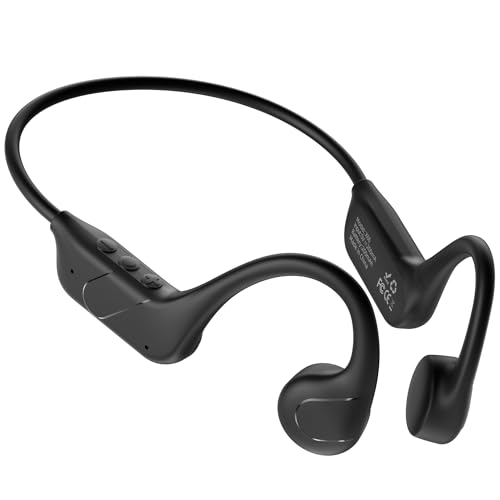
Best for: riders who want a balance of audio clarity, weight, and privacy during cycling. Gavhaio delivers a wraparound style at a light 28 g, aimed at stabilizing performance during movement.
Why selected: The open-ear design preserves situational awareness while delivering balanced audio and a secure wraparound fit. The 6.0 Bluetooth version provides compatible wireless performance with modern devices and quick pairing features described in product materials.
What to know: A potential duplication in the feature copy highlights its emphasis on comfort and stability. Users should evaluate long-term wear for ear comfort and ensure the wraparound frame remains comfortable on extended rides.
CXK Bone Conduction Headphones

Best for: cyclists who ride in noisy environments and want punchy stereo sound through bone conduction. CXK emphasizes larger drivers and a 6.0 Bluetooth stack for stable connections.
Why selected: The 15 mm bone conduction drivers can deliver clear, loud audio with appreciable stereo separation. The IPX6 rating adds extra protection against sweat and rain, making it a strong option for all-weather riders.
What to know: The device includes a built-in microphone for calls. If you primarily listen to bass-heavy tracks, expect bone conduction to deliver a different tonal balance than traditional in-ear headphones.
Buying Guide: Key Considerations For Cyclists
- Open-ear awareness: Do you need to hear traffic and ambient sounds while riding? Bone conduction preserves environmental awareness, improving safety for street riding and trail use.
- Fit and comfort: Look for lightweight frames, wraparound designs, and secure ear hooks. A comfortable fit reduces fatigue on long rides.
- Water and sweat resistance: For cycling outdoors, IP ratings (IPX4 to IPX6) indicate how well the device handles rain, sweat, and moisture.
- Battery life: Consider hours of playback to cover long rides. Some models advertise up to 12 hours of audio use, which is suitable for multi-hour cycling sessions.
- Sound quality versus bass: Bone conduction prioritizes mid-to-high frequencies and safe bass response. If bass performance matters, compare models with larger drivers or hybrid conduction approaches.
- Bluetooth stability: Faster pairing and stable connections are important for smooth music playback without dropouts during motion.
- Microphone use: If you need calls on the go, check mic performance and wind noise handling, especially for cycling in windy conditions.
Frequently Asked Questions
- Are bone conduction headphones safe for cycling? Yes, they allow you to stay aware of surroundings while listening to audio, which can improve safety compared to fully in-ear designs.
- Do bone conduction headphones stay on during intense cycling? Many models use wraparound frames or ear hooks to secure stability, but fit quality varies by head shape.
- Will bone conduction headphones sound as good as traditional headphones? They provide clear highs and detailed mids, but bass response is commonly less pronounced than in-ear or over-ear options.
- Can I wear bone conduction headphones with a helmet? In most cases, yes. Lightweight, secure designs are compatible with standard cycling helmets, but try before long rides to ensure comfort.
- Do these headphones work with all smartphones? Most use Bluetooth 6.0, offering broad compatibility with modern devices, but check device compatibility if you use older phones.
- What is the advantage of IP ratings? Higher IP ratings indicate better protection from water and sweat, which is important for outdoor cycling and training in variable weather.