Whether you’re a practice-only player, a gigging bassist, or a streaming musician, a bass combo amp should deliver clear lows, punchy mids, and reliable portability. This guide features five solid options that balance power, tone shaping, and value. The Fender Rumble models suit players who want classic Fender flavor, while Ampeg options emphasize vintage vibe with modern reliability. Use this to compare who each amp is best for and why it stands out for different playing scenarios.
| Product | Best For | Key Benefit |
|---|---|---|
| Fender Rumble 15 V3 | Compact practice and small venues | Solid 15W with 8″ speaker |
| Fender Rumble 25 V3 | Rehearsals and small gigs | 25W with 8″ speaker and contour overdrive |
| Ampeg Rocket Bass RB210 | Live small- to mid-sized venues | 500W, 2×10″ for big bass punch |
| Ampeg Rocket Bass RB112 | Compact stability with big tone | 100W, 1×12″ for portable clarity |
| Orange Crush Bass 25 | Stage presence with flexible EQ | Active 3-band EQ and tuner |
Fender Rumble 15 V3 Bass Amplifier

The Fender Rumble 15 V3 delivers 15 watts with an 8″ Fender Special Design speaker, suitable for practice rooms and small venues. Its top-mount control panel features ivory soft-touch knobs for easy dialing. Best for beginners or players needing a compact, reliable practice amp with classic Fender tone. Limitation: limited headroom for loud stages.
Fender Rumble 25 V3 Bass Guitar Amplifier

The Rumble 25 V3 offers 25 watts, an 8″ speaker, and versatile tone controls including a three-band EQ, plus an overdrive circuit and contour switch. It’s best for players who need more cut and presence in rehearsal spaces or smaller venues. Consider this if you want more punch without stepping up to a larger headroom amp. Caution: heavier than the 15W model, and still best for smaller stages.
Ampeg Rocket Bass RB210 Bass Combo 2×10

Powered by 500 watts with dual 10″ speakers, this Ampeg combo is designed for live performance on small to mid-sized stages. It blends vintage styling with modern features and adds Super Grit overdrive for aggressive tones. Best for players who want serious stage presence and robust low end. Limitation: heavier and bulkier than compact practice amps.
Ampeg Rocket Bass RB112 Bass Combo 1×12

RB112 provides 100 watts with a 12″ speaker for fuller midrange and depth. It’s best for players who need a portable yet powerful box for rehearsals or small gigs. Choose this if you want manageable weight without sacrificing tone. Caution: still relies on adequate PA or monitoring for larger venues.
Orange Crush Bass 25 25W 8″
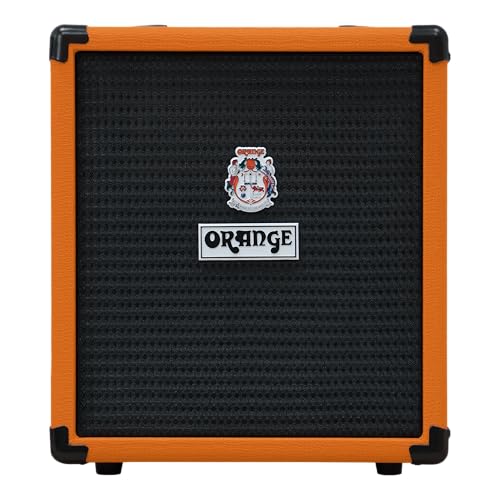
The Orange Crush Bass 25 features an active 3-band EQ, a parametric mid control, and a chromatic tuner. It’s best for players seeking a bold, modern tone with flexible mids and a compact footprint. Potential limitation: tone styling can be pronounced, requiring careful EQ to avoid mud in some rooms.
Buying Guide
What should you consider when choosing a bass combo amp?
- Power vs. Portability: For home practice, smaller watts with a compact cabinet is ideal. For gigs, aim for at least 100W with a larger cabinet or a PA support plan.
- Speaker Configuration: 8″ speakers are common in practice amps; 10″ or 12″ speakers provide deeper lows and more projection for live use.
- Tone Shaping: Look for a three-band EQ, presence controls, contour or drive options, and tuners if you play live.
- Weight and Build: If you travel often, prioritize lighter cabinets with rugged casings and ergonomic handles.
- Include or Limiters: Overdrive or gain circuits can add bite; consider whether you need built-in effects versus relying on pedals.
FAQ
- Q: Do I need built-in effects in a bass amp?
A: Built-in effects can simplify setups for practice or small gigs, but you can also rely on pedals and DI to a PA for more versatility. - Q: Is a 15W amp enough for a gig?
A: For small rooms or home studios, yes; for larger venues you’ll likely want 25W or more and possibly an additional amplification path. - Q: What’s the advantage of a two-speaker amp over a single-speaker model?
A: Dual speakers can deliver more even low-end response and higher output, improving stage presence. - Q: Should I choose vintage tone or modern versatility?
A: If you aim for classic, vintage warmth, Ampeg options are strong; for bright, crisp Fender-like tones, the Rumble line is a solid choice. - Q: How important is weight when traveling to gigs?
A: Very important; lighter amps reduce setup time and fatigue, especially if you carry gear to multiple venues. - Q: Can I use these amps for practice and recording?
A: Yes. Most offer line-out or DI options, and sufficient clean headroom for basic recording scenarios.