If you’re shopping for a bass amp head, this guide highlights five reliable options that balance power, portability, and tone. These models suit gigging musicians, home studio players, and practice rigs. Below, you’ll find a quick buyer’s table, followed by in-depth overviews and a practical buying guide to help you compare features like wattage, preamp design, and output options.
| Product | Brand | Best For | Key Benefit |
|---|---|---|---|
| TC Electronic THRUST BQ500 | TC Electronic | Live gigs and studio tracking | 500W Class-D with portability |
| Peavey MiniMAX | Peavey | Budget-friendly practice and small gigs | 600W RMS with speaker protection |
| Tc electronic BH250 | TC Electronic | Compact stage rig | 250W with TonePrint and signature effects |
| Warwick Gnome | Warwick | Travel-friendly practice | 200W with XLR DI and headphone out |
| Quilter Bass Block V803 | Quilter | Studio and small-to-mid venues | 800W at 4 ohms with versatile voicing |
Note: This guide focuses on five strong options chosen for broad use cases, portability, and clear tonal control. The sections below explain who each model is best for and why it stands out.
TC Electronic THRUST BQ500 500W Bass Head

Best for: Stage and studio players who need high power from a portable, lightweight head. The THRUST BQ500 uses a Mosfet preamp with a Class-D output for efficient power delivery and compact build.
Why selected: It combines substantial wattage with portability, making it an appealing option for players who travel or perform in varying venues. The Mosfet-based preamp contributes to a clean, punchy bass tone with reliable headroom.
Limitation: Information on onboard effects is limited in product features; players seeking deep, built-in character may prefer additional effects options elsewhere.
Peavey MiniMAX 600-Watt Mini Bass Amp Head

Best for: Rehearsal rooms and small gigs where budget-friendly power is desired. The MiniMAX provides robust headroom for a compact head, with practical protections and gain options.
Why selected: Its 600 watts into 4 ohms deliver solid volume for small venues while maintaining a manageable footprint. The DDT speaker protection helps guard against speaker stress during dynamic performances.
Limitation: The compact form factor may limit simultaneous feature depth compared with larger heads; not ideal for players needing extensive built-in effects.
Tc electronic BH250 Bass Guitar Amplifier Head

Best for: Players seeking a compact head with signature tone options for versatile live or studio work. The TonePrint knob enables access to effects modeled after renowned players.
Why selected: The BH250 is ultra-compact and lightweight for easy transport, yet offers 250 watts of output and world-class tone shaping through its signature TonePrint features.
Limitation: With 250W, it may fall short for larger venues or loud stage environments compared to higher-wattage options.
Warwick Gnome – Pocket Bass Amplifier Head
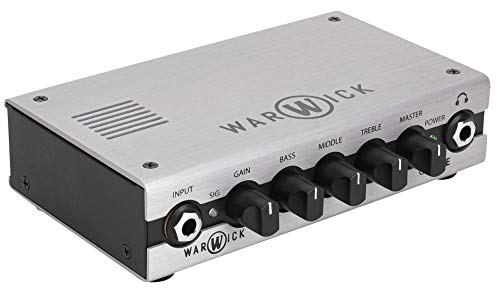
Best for: Travelers and practice sessions where size and stealth matter. The Gnome includes essential outputs for DI and headphones to aid silent practice.
Why selected: At 200 watts, its form factor is ideal for discreet studio use or on-the-road setups. The built-in XLR DI and headphone output provide practical routing options for recording or silent practice.
Limitation: The lighter wattage may require a larger amp if you’re playing in louder venues or need substantial stage presence.
Quilter Bass Block V803 800-Watt Bass Head

Best for: Studio engineers and players who want power with flexible voicing and robust output. The V803 supports a wide range of tones and strong stage headroom.
Why selected: It offers up to 800W at 4 ohms and a multi-voicing setup for modern, warm, or classic tones. The extensive input/output options support complex rigs and direct recording scenarios.
Limitation: The control layout is more complex, which may require time to dial in preferred tones for new users.
Buying Guide
What wattage do you actually need?
Higher wattage generally means more clean headroom at loud volumes. For small gigs or practice, 200–300W can be enough. For live bands, 500–800W provides ample stage presence, especially with efficient cabinets.
Portability vs. tone shaping
Compact heads are easier to transport but may offer fewer built-in effects. If you rely on signature tones or built-in processors, look for TonePrint, VOICE switches, or multiple EQ bands as a must-have.
Direct output and routing
Consider XLR DI outputs and line-level outs for direct connection to mixers or audio interfaces. DI capability simplifies recording and live monitoring without extra gear.
Build quality and protection
Look for speaker protection features (like DDT) and rugged chassis for frequent stage use. Weight and dimensions matter when you travel often or load in/out quickly.
Best match by use case
- Live performers needing power and portability: THRUST BQ500, BH250
- Budget-friendly practice and rehearsal: Peavey MiniMAX
- Travel-friendly practice or small setups: Warwick Gnome
- Studio and versatile tone shaping with high output: Quilter Bass Block V803
FAQs
- What is a bass amp head? A bass amp head is the power and preamp section of a bass amplifier that drives a separate speaker cabinet.
- Do I need a DI output? A DI output helps connect to mixers or audio interfaces for direct recording or live sound reinforcement.
- Is 500W enough for gigging with a drummer? Often yes, especially with a proper cabinet and efficient speakers, but venue size and PA support matter.
- What is TonePrint? TonePrint is TC Electronic’s signature effects and amp tone library accessible via a dedicated control, enabling quick tone changes.
- Should I choose a compact head with less wattage? If you play small venues or practice often, a compact head is convenient; for loud stages, prioritize higher wattage.
- Are built-in effects necessary? Not always. Many players prefer external pedals or amps with clean voicing and a clear preamp.