The best backpacking sleeping pad chosen here offers a mix of ultralight weight, compact packs, and reliable insulation to match varied trail conditions. This guide helps hikers pick the right pad for solo trips, weekend treks, or extended camping excursions. Each top pick is suited to a specific type of traveler—ultralight hikers may favor compact inflatables, while car campers might prioritize extra thickness or warmth. Below is a quick summary table of the five highlighted products to compare key traits at a glance.
| Product | Type | Inflation | Best For | Notable Limitation |
|---|---|---|---|---|
| FUN PAC Camping Sleeping Pad | Self-inflating with built-in pillow | 30–60 seconds inflate | Back/side sleepers seeking comfort and integrated pillow | Width may be less ideal for very tall sleepers |
| Gear Doctors Ether 17.5oz | Ultralight with Antileak System | Under 90 seconds inflate with foot pump sack | Minimalist hikers needing compact, durable pad | Inclusion of a foot pump sack requires extra gear |
| Gear Doctors ApolloAir 5.2 | Inflatable with pump sack and life-tested fabric | Less than 2 minutes inflate | Backpackers needing reliable warmth with packing efficiency | May be pricier than entry-level pads |
| Oramoose 4in Ultralight | 4″ thick with integrated pillow | 30 seconds inflate via foot pump | Side sleepers seeking high loft and support | Heavier than ultra-compact pad options |
| Therm-a-Rest Z Lite Original | Closed-cell foam | Folds for compact carry | Budget-conscious hikers and mountaineers | Less comfort on uneven ground and limited insulation |
The following sections break down why each pad stands out, who should consider it, and practical trade-offs to help you decide quickly.
FUN PAC Camping Sleeping Pad

The FUN PAC pad measures up to 78 by 27 inches with an 8-inch thickness, offering 3″ of sleep-supporting height and a built-in pillow. Its egg-shaped air cells help relieve back and neck pressure, supporting back and side sleepers. Best for campers who want a self-contained solution with a generous width and integrated head support. Caution: the overall width may feel narrow for exceptionally tall individuals who prefer extra shoulder space.
Gear Doctors Ether 17.5oz Ultralight Pad

Ether 17.5oz packs to the size of a water bottle (8.6” H × 3.1” D) and inflates to 76” × 25” with a 3.35″ edge tapering to 2.36″ center. It supports up to 440 lb and includes a detachable foot pump sack with an anti-leak system. Best for hikers who want a compact pad with robust weight support. Limitation: relies on a separate pump accessory, which adds parts to manage during trips.
Gear Doctors ApolloAir 5.2 R-Value Pad

ApolloAir offers a compact 8.5″ by 3″ packed size with a 3.2″ thickness when inflated and a 72.8″ × 22″ footprint. It ships with a Pump Sack and includes a light carry pouch for quick packing. Best for travelers seeking a balance of warmth (R-value alignment) and compact packing. Caution: price and kit contents may be more than simpler pads.
Oramoose 4in Ultralight Pad With Pillow

Oramoose delivers a 4″ thick pad with a built-in pillow and a 30-second inflate time via foot pump. It supports up to 400 lbs and uses a 40D nylon shell for durability against rough terrain. Best for side sleepers needing elevated loft and neck support. Limitation: higher loft comes with extra weight compared to thinner inflatable options.
Therm-a-Rest Z Lite Original
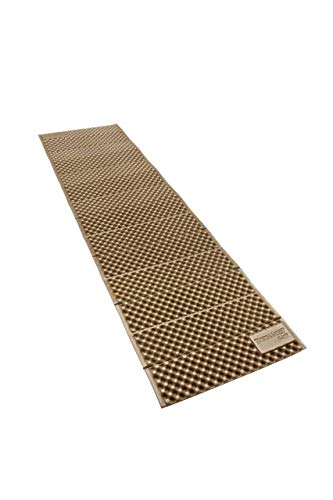
Therm-a-Rest Z Lite Original uses durable closed-cell foam with an accordion fold for compact packing. It traps heat via dimples and provides a dependable, economical option with an R-value suitable for mild to cool nights. Best for budget-minded trekkers and mountaineers who prioritize simplicity and reliability. Caution: this foam pad is less comfortable on uneven ground compared with air pads.
Buying Guide
What should you consider when choosing a sleeping pad?
- Insulation and R-Value: For cold nights, choose a higher R-value or insulated pad. Consider your typical camping season and climate.
- Weight and Pack Size: Ultralight backpackers should favor pads under 2 pounds with compact packing. Those car camping can tolerate bulk for extra comfort.
- Thickness and Support: Deeper loft reduces ground felt firmness. Side sleepers usually need thicker pads to prevent shoulder and hip pressure.
- Inflation Method: Built-in pumps simplify setup but add weight; external pumps and foot pumps reduce weight but require extra gear.
- Durability: Materials range from closed-cell foam to TPU-coated nylon. Consider terrain, anticipated wear, and puncture risk.
- Size and Fit: Ensure length and width accommodate your height and shoulder width. Some pads taper toward the center for lighter weight.
Which pad should you choose for different journeys?
- Best for integrated comfort and simplicity: FUN PAC Camping Sleeping Pad.
- Best for ultralight backpackers: Gear Doctors Ether 17.5oz.
- Best for warmth and packability together: Gear Doctors ApolloAir 5.2.
Material and durability considerations
Look for pads with robust outer fabrics and reliable valves. Long-lasting pads often handle rough terrain and temperature fluctuations better. For cold environments, prefer insulated options or foam pads that retain heat well.
Care and maintenance tips
- Keep pads dry and away from sharp objects when storing.
- Use the included repair kits or patches when applicable to extend life.
- Follow inflation and deflation steps to minimize wear on seams and valves.
Quick comparison cheat sheet
- Best overall comfort: FUN PAC Camping Sleeping Pad
- Best ultralight weight: Gear Doctors Ether 17.5oz
- Best warmth-to-weight balance: ApolloAir 5.2
- Best side-sleeper loft: Oramoose 4in Ultralight
- Budget-friendly, durable: Therm-a-Rest Z Lite Original
FAQ
- Q: Do inflatable pads work well on rocky ground?
- A: Yes, but choose thicker loft or added edge support to minimize pressure points on rocks.
- Q: Can I use a sleeping pad in a tent with a tent footprint?
- A: Yes, ensure the pad fits the floor space and won’t cause crowding or slipping inside the tent.
- Q: Are foam pads always warmer than inflatable pads?
- A: Not always; insulated air pads can provide comparable warmth, but foam pads offer reliable warmth with no pump required.
- Q: How should I store a sleeping pad when not in use?
- A: Store unrolled or loosely coiled in a cool, dry place to prevent material stress; avoid tight compression for long periods.
- Q: Is higher price always better for a sleeping pad?
- A: Not necessarily; features, durability, and weight often determine value. Match features to your planned use.