Answer: For versatile, compact APS-C mirrorless cameras, these five models offer strong autofocus, solid 4K video, and beginner-friendly features. They suit hobbyists upgrading from smartphones, vloggers, and budding photographers who want reliable performance without a heavy rig. The list includes compact Sony and Canon options that balance image quality with ease of use.
| Product | Sensor | Best For | Notable Note |
|---|---|---|---|
| Sony Alpha 6400 | APS-C | Action shooters and video creators | Real Time Tracking and Eye AF; 11fps |
| Canon EOS R100 | APS-C | Beginner photographers | Compact, affordable entry to mirrorless |
| Canon EOS R50 Kit | APS-C | Vloggers and creators | Dual Pixel AF II; versatile zoom |
| Sony ZV-E10 | APS-C | Compact vlogging setup | Designed for video creators |
| Canon EOS R50 With 18-45 & 55-210 | APS-C | Travel and family content | Bundle lenses; beginner-friendly |
The following sections profile five relevant options, focusing on who benefits most and why each was selected. Use these comparisons to narrow down to your ideal APS-C mirrorless camera.
Sony Alpha 6400 With 16-50 Lens

Key features include 0.02s autofocus, Real Time Tracking, and Eye AF for humans and animals. It records 4K HDR video and Full HD at 120p for slow motion. Up to 11fps with autofocus helps capture fast action. Best for advanced beginners and enthusiasts who want sharp subject tracking in both photos and videos. Use this if you value quick, reliable AF and versatile video options. Caution: The kit uses an older autofocus system compared to newer Sony models, which may be a consideration for future-proofing.
Canon EOS R100 With RF-S 18-45mm Kit

Best for beginners seeking a compact, affordable entry into mirrorless photography. The 24.1MP APS-C sensor delivers clear images with natural tone. The DIGIC 8 processor supports solid 4K video capabilities. The lightweight body makes it easy to carry for travel and daily photography. Choose this if you want an easy learning curve with reliable automatic modes. Limitation: Limited lens ecosystem compared to higher-end Canon bodies, which may influence long-term lens choices.
Canon EOS R50 Kit With 18-45mm

Best for vloggers and creators who want a compact camera with Dual Pixel AF II and a vari-angle touchscreen. The included 18-45mm lens covers wide to standard focal lengths, and the kit references emphasize travel-friendly capability. Best for content creation with dependable autofocus and easy setup. Caution: Some users may want more reach than 18-45mm; consider adding a longer zoom for distant subjects.
Sony ZV-E10 APS-C Vlog Camera Kit
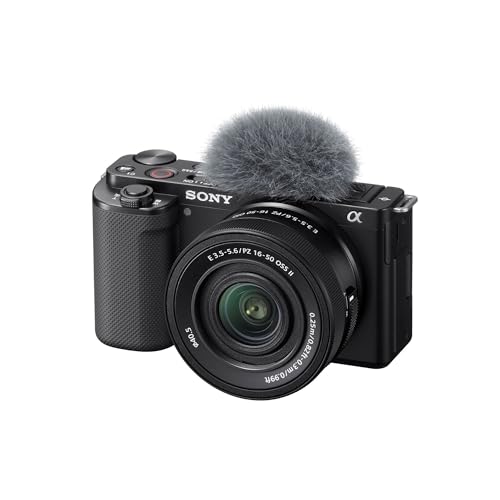
Best for dedicated vloggers who need a compact system with strong video features. The 24.2MP APS-C sensor and BIONZ X processor support crisp footage, and 4K recording uses full pixel readout. It’s designed for quick transitions and product showcases, aided by a user-friendly interface. Choose this if you want a camera focus on video workflow and easy content creation. Limitation: With some lenses, autofocus performance can vary in challenging lighting compared to top-tier Sony bodies.
Canon EOS R50 With 18-45 & 55-210 Kit

Best for travelers and families needing flexible focal length options. The kit includes both 18-45mm and 55-210mm lenses, supporting wide scenes and distant subjects. The camera uses a 24.2MP APS-C sensor with DIGIC X processing and Dual Pixel CMOS AF II, offering reliable autofocus and strong image quality. Choose this if you want an all-around kit with multiple lens options. Caution: The 55-210mm lens adds bulk; plan for a slightly larger travel setup.
Buying guidance focuses on selecting a model that matches your shooting style, lens preferences, and comfort with menus. The cameras above cover entry through more capable beginner levels with strong autofocus and video features.
Buying Guide
What should you prioritize in an APS-C mirrorless camera?
Autofocus performance, video capability, lens ecosystem, weight, and battery life are key. Look for Real Time Tracking or Dual Pixel AF II for reliable subject tracking. Consider whether 4K recording is important, and confirm the availability of beginner-friendly modes if you’re starting out.
What lens configurations matter most?
Prime vs zoom, focal length range, and image stabilization influence versatility. Kits with 18-45mm are great for general use, while adding longer zooms (like 55-210mm) helps with distant subjects and portraits.
System compatibility and expansion?
Ensure your chosen brand offers a robust lens lineup and accessories. Sony and Canon both provide wide ecosystems, but the balance between body features and available lenses should guide long-term value.
Portability vs performance?
Smaller bodies are easier to carry daily, while larger kits with multiple lenses may be better for travel or studio work. Decide how you’ll shoot most often to optimize weight and handling.
What about beginner-friendly features?
Look for guided modes, intuitive menus, and built-in help. A body with dependable autofocus and straightforward video settings reduces the learning curve for new creators.
FAQ
- Which APS-C mirrorless camera is best for beginners? The Canon EOS R100 and Canon EOS R50 kits are designed with beginner-friendly menus and setup, making them strong starting options.
- Do these cameras shoot 4K video? Several kits offer 4K recording, including Sony and Canon models; verify each product’s exact specs on the listing.
- Is an included lens essential for choosing? Lenses included in kits (like 18-45mm) cover common everyday photography. Additional lenses expand versatility for portraits and wildlife.
- Which system has the best lens ecosystem for APS-C? Both Sony and Canon have broad APS-C lens offerings, with many third-party options available for each.
- Should I avoid older autofocus systems? Newer AF systems (Real Time Tracking, Dual Pixel AF II) provide more reliable focus for moving subjects and video, which is beneficial for most buyers.
- What is the trade-off with compact systems? Smaller bodies tend to have shorter battery life and fewer heavy-duty features; plan for extra batteries if you shoot longer sessions.