If you drive at night or in low-light conditions, anti-glare driving glasses can sharpen contrast, reduce eye strain, and improve safety. This guide highlights five top options ideal for regular drivers, commuters, and those who spend long hours on the road. Each pick is evaluated for glare reduction, comfort, and practicality in real-world conditions. The top products here are best for different needs, from nighttime navigation to screen-related eye relief. Read on to compare features and decide which pair fits your driving style.
| Product | Brand | Best For |
|---|---|---|
| ZILLERATE Night Vision Driving Glasses | ZILLERATE | Daily night driving; glare-prone highways |
| livho High Tech Blue Light Blocking Night Driving Glasses | livho | Screen exposure before driving; evening shift |
| Luenx Night Vision Driving Glasses Square Polarized | Luenx | Low-light city and highway driving |
| URUMQI Night Vision Driving Glasses Fit Over Eyeglasses | URUMQI | Over existing glasses; wrap-around comfort |
| Myiaur Polarized Night Vision Glasses | Myiaur | Yellow-lens contrast in varied night scenes |
ZILLERATE Night Vision Driving Glasses
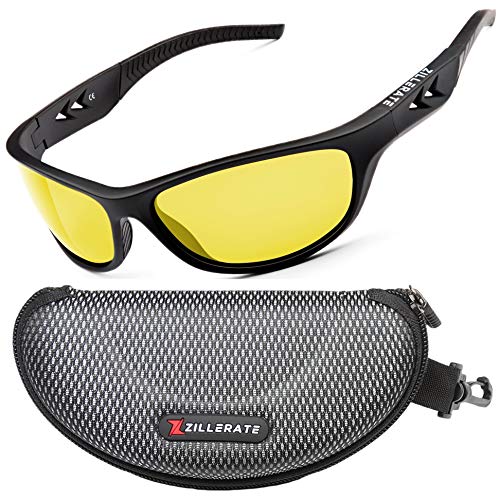
These yellow-tinted polarized lenses are designed to reduce harsh glare from oncoming headlights and enhance contrast in low light. The lightweight TR90 frame with rubber padding provides a comfortable all-day fit, making them suitable for long drives or commutes. Best for drivers who want a stylish, durable pair with lasting anti-glare performance, especially on rural or poorly lit roads.
Best for: daily night driving, long trips, and those who value a modern look with solid durability. Caution: the yellow tint may slightly alter color perception in very bright conditions; use primarily for night or low-light driving.
livho High Tech Blue Light Blocking Night Driving Glasses

With UV400 protection and 98% high-transmittance lenses, these blue light blocking glasses reduce eye strain from screens before driving and help with sleep when worn earlier in the day. A durable TR90 frame provides long-lasting comfort, making them a strong pick for drivers who also use devices at night or in front of screens during the day. Best for: drivers who want screen-time relief alongside night-driving benefits.
Caution: while optimized for screen use, performance on bright headlights may be less targeted than specialized night-vision yellow lenses in some scenarios.
Night Vision Driving Glasses Men Women, HD Polarized
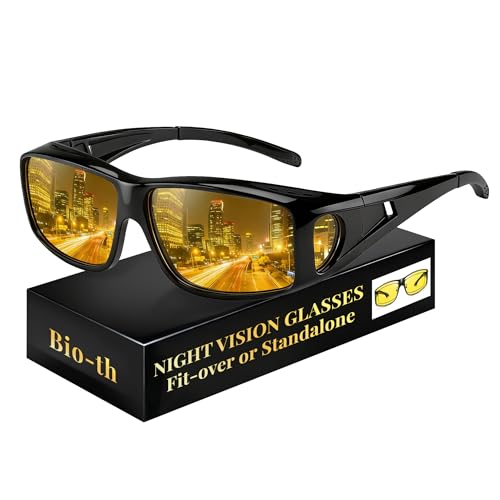
This fit-over design is built to comfortably ride over most daily eyewear, offering an almost universal solution for those who already wear prescription glasses. The included HD polarized yellow lenses cut glare and sharpen contrast, improving visibility in rain and twilight. Best for: people who wear glasses and want an over-the-glasses solution with reliable glare control. Caution: bulkier fit may feel restrictive if you prefer compact, low-profile frames.
Luenx Night Vision Driving Glasses Square Polarized

These polarized yellow-lens glasses focus on reducing glare from oncoming headlights and wet roads. The lightweight metal frame with adjustable silicone nose pads and TR90 temples emphasizes comfort for long drives. Best for: drivers seeking a durable, lightweight option with adjustable fit for varied nose heights and face shapes. Limitation: as a square style, may not suit all face shapes.
Myiaur Polarized Night Vision Glasses

This pair uses polarized yellow lenses to enhance contrast and reduce glare in low-light scenarios. The design emphasizes practical night travel with an emphasis on reducing visual fatigue for extended drives. Best for: drivers who want a straightforward night-vision solution without overly tinted lenses. Caution: avoid if you require color-accurate vision for outdoor tasks beyond night driving.
Buying Guide
Key considerations when choosing anti-glare driving glasses:
- Lens tint and purpose: Yellow or amber tints boost contrast and glare reduction at night; consider if you primarily drive after dark or in rain/dusk.
- Lens type: Polarized lenses reduce reflected glare; non-polarized options may be lighter or cheaper but offer less glare control.
- Frame comfort and fit: Lightweight materials with padded interiors help prevent pressure on the nose and temples during long drives.
- Over-the-glasses vs. standard: If you wear prescription eyewear, fit-over designs provide a convenient option, while standard frames may suffice for non-prescription use.
- Durability and care: Scratch-resistant coatings, anti-reflective layers, and easy-clean lenses extend life; consider frame material (TR90, metal) for durability and weight.
- Surface glare vs. long-range visibility: Some models emphasize peripheral protection; others prioritize center contrast. Choose based on driving environment (city, highway, rural).
FAQ
- Do anti-glare driving glasses affect color perception? Some yellow-tinted lenses can shift color perception slightly; useful for night driving but may alter color cues in bright daylight.
- Are these glasses suitable for all face shapes? Most models use adjustable components, but some designs (fit-over) may not fit every frame; try a model that offers flexible nose pads.
- How do polarized lenses help at night? Polarization reduces glare from headlights and wet surfaces, improving contrast and reducing eye strain in many night scenarios.
- Is a lighter frame better for long drives? Lighter frames reduce fatigue, but durability and fit should also be considered for extended wear.
- When should I replace night driving glasses? If coatings wear, the lenses scratch easily, or glare control declines, consider replacement for safety.
- Can these glasses be used while driving in the daytime? Yellow-tinted lenses are primarily beneficial at night or in low-light; for daytime driving, consider non-tinted or lightly tinted options.