Answering the need for daily sun defense with anti-aging benefits, this guide highlights top SPF face products designed to reduce the appearance of wrinkles, refine texture, and protect skin from UVA/UVB rays. Each pick suits different skin types and routines—whether you want a lightweight lotion, a retinol-infused moisturizer, or a mineral-friendly formula. The table below helps compare core options at a glance.
| Product | SPF | Best For | Key Benefit |
|---|---|---|---|
| Eucerin Sun Age Defense Face Sunscreen Lotion SPF 50 | SPF 50 | Daily use under makeup, sensitive skin | Antioxidants with hydrating hyaluronic acid |
| CeraVe Day Cream SPF 30 | SPF 30 | Gentle, hydrating routine | Encapsulated retinol for gentle exfoliation |
| Neutrogena Age Shield Face Lotion SPF 70 | SPF 70 | High protection, oil-free | Helioplex technology, deep protection |
| Olay Regenerist SPF 30 Micro-Sculpting | SPF 30 | Hydration with anti-aging actives | Amino-Peptides and Niacinamide |
| La Roche-Posay Anthelios SPF 70 Corrective | SPF 70 | Even skin tone, lightweight finish | Niacinamide, sheer finish |
Eucerin Sun Age Defense Face Sunscreen Lotion SPF 50

Eucerin provides a lightweight, invisible finish with antioxidant protection and hydrating hyaluronic acid. Best for daily under makeup, especially for those seeking a non-greasy feel and subtle wrinkle defense. This formula aims to guard skin from free radicals while keeping skin soft and smooth. A potential limitation is that some users may prefer a higher SPF during peak sun exposure or a more matte finish in very oily conditions.
CeraVe Day Cream SPF 30

CeraVe combines encapsulated retinol with hyaluronic acid to support texture while delivering broad-spectrum SPF 30. This option is ideal for someone who wants a gentle retinol-based anti-aging routine without added irritation. Use as the final step in the morning routine. If layering with other products, apply the day cream after others are absorbed. A note: retinol can increase sun sensitivity, so consistent SPF use is important.
Neutrogena Age Shield Face Lotion SPF 70

Neutrogena Age Shield offers high-level sun protection with Helioplex technology and a non-comedogenic formula. Best for those wanting substantial protection without a heavy feel, and for skin prone to oiliness. A limitation is that higher SPF products can sometimes feel heavier; users with very dry skin may prefer a lighter finish or moisturizer beneath.
Olay Regenerist Advanced Anti-Aging SPF 30

Olay Regenerist combines moisture with anti-aging actives like amino-peptides and niacinamide in a lightweight SPF 30 lotion. It’s well-suited for daily use across all skin types seeking firmer, plumper skin while protecting from the sun. The product’s gentle formulation makes it a good option for daytime routines, though users seeking very high SPF may opt for alternatives with higher protection.
La Roche-Posay Anthelios SPF 70 Corrective
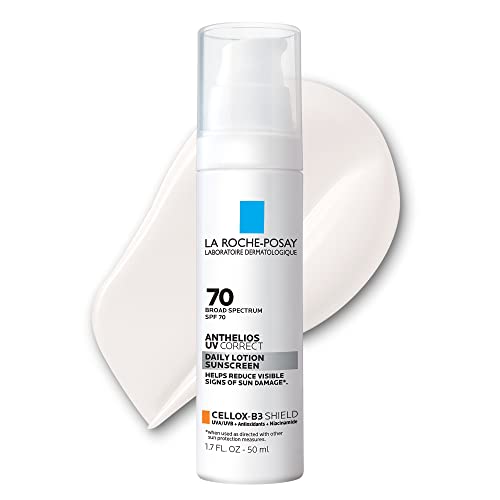
La Roche-Posay Anthelios SPF 70 combines a high protection level with a lightweight, non-greasy texture. With Niacinamide for tone correction, this option is best for those seeking strong sun defense and a sheer finish that blends across skin tones. A potential limitation is that some users may find the texture slightly heavier than lighter compositions, depending on climate and skin type.
Buying Guide
What SPF level do you actually need?
For everyday use in the U.S., SPF 30 or higher is recommended. SPF 50+ provides stronger protection during peak sun exposure, outdoor activities, or longer time outdoors. Consider a combination of UVA and UVB protection to guard against aging signs and sunburn.
Which textures work best with anti-aging ingredients?
If you wear makeup, opt for a lightweight, invisible finish (like Eucerin) to avoid altering foundation. For dry or mature skin, formulas with hyaluronic acid and silicones provide moisture and slip for smoother application (like Olay or CeraVe). Retinol-infused options (CeraVe, Neutrogena, RoC, etc.) may require gradual introduction to avoid irritation.
Do you need additional anti-aging actives?
Retinol, peptides, and niacinamide are popular pairing actives with SPF for anti-aging goals. Be mindful of layering order: use sunscreen last in the morning routine, after serums and moisturizers. Some products combine these actives to simplify daily routines.
How to choose based on skin type?
Oily or acne-prone skin benefits from non-comedogenic, mattifying formulas (some Neutrogena or La Roche-Posay options). Dry or mature skin benefits from hydrating ingredients like hyaluronic acid (Eucerin, CeraVe, Olay). Sensitive skin should prefer fragrance-free formulations and dermatologist-recommended lines.
Usage tips for best results
- Apply sunscreen as the final step of your morning routine, 15 minutes before sun exposure.
- Reapply every two hours when outdoors, or after sweating, swimming, or towel-drying.
- Pair with a broad-spectrum moisturizer for enhanced comfort and skin barrier support.
FAQ
- What does SPF measure? Answer: SPF estimates protection against UVB-induced sunburn; look for broad-spectrum protection for UVA coverage as well.
- Is higher SPF always better? Answer: Higher SPF offers more protection, but no product blocks all rays. Reapplication and other sun-protective measures remain essential.
- Can I use anti-aging SPF if I don’t wear makeup? Answer: Yes. Many formulas are designed to be worn alone for daily protection.
- How should I layer anti-aging products with sunscreen? Answer: Apply cleansed skin, then hydrators/serums, then sunscreen as the last step.
- Should I avoid certain ingredients with SPF? Answer: If sensitive to fragrances or retinoids, choose fragrance-free and non-irritating options, and introduce retinoids gradually with sunscreen on daily.
- How often should I replace SPF products? Answer: Check the product’s expiration date and replace if the scent or texture changes or after a year of use, especially if exposed to heat or sunlight.