Find a solid starter DSLR that fits a tight budget. This guide highlights five beginner-friendly options, explains who they’re best for, and explains trade-offs. Ideal buyers include first-time photographers, students, hobbyists upgrading from a smartphone, and parents seeking easy-to-use gear for everyday moments. Below is a quick summary table of the selected products.
| Product | Key Benefit | Best For |
|---|---|---|
| Canon EOS Rebel T7 DSLR Camera EF-S 18-55mm f/3.5-5.6 IS II Kit | High resolution 24.1 MP sensor; built-in Wi‑Fi/NFC | Beginner photographers seeking a straightforward kit |
| Canon EOS Rebel T7 DSLR Camera with 18-55mm Lens (Renewed) | Reliable 24.1 MP sensor with broad ISO range | Budget-conscious buyers open to renewed gear |
| Canon EOS Rebel T7 DSLR Camera Double Zoom Lens Kit | Dual zoom versatility (18-55mm and 75-300mm) | Users wanting more focal range for portraits and distant subjects |
| Canon EOS 2000D / Rebel T7 DSLR Camera with EF-S 18-55mm Lens + Bundle | Comprehensive bundle with memory card and accessories | New hobbyists who prefer an all-in-one starter package |
| Canon Rebel XS DSLR Camera with EF-S 18-55mm f/3.5-5.6 IS Lens | Compact, entry-level option from a classic line | Collectors or budget buyers seeking a simple, basic setup |
Note: This guide focuses on affordable DSLR options from Canon’s Rebel line and similar beginner-friendly models. Each entry includes why it suits specific buyers, potential limitations, and practical guidance for choosing among similar kits.
Canon EOS Rebel T7 DSLR Camera EF-S 18-55mm Kit

Features: 24.1 Megapixel CMOS (APS-C) sensor, ISO 100–6400 (H: 12800), Built-in Wi-Fi and NFC, 9-point AF system and AI Servo AF. Best for: Beginners who want solid image quality, easy sharing, and a compact kit. Why selected: This model provides a classic, straightforward entry point with modern connectivity for quick photo transfer. Caution: Performance nuances may emerge in low light compared to more advanced DSLRs.
Canon EOS Rebel T7 DSLR Camera with 18-55mm Lens (Renewed)

Features: 24.1 MP CMOS sensor; ISO 100–6400 (expandable to 12800); 9-point AF system and AI Servo AF. Best for: Buyers seeking a budget-friendly option with reliable imaging and accessibility. Why selected: Renewed units often provide strong value while keeping essential performance. Caution: Renewed products may have cosmetic wear or shorter remaining warranty compared to new items.
Canon EOS Rebel T7 DSLR Camera Double Zoom Kit

Features: 24.1 MP CMOS sensor; 100–6400 ISO (12800 high), Built-in Wi-Fi, 9-point AF with AI Servo AF. Best for: Beginners who want flexibility for wide and telephoto shots. Why selected: The second zoom lens expands subject options beyond standard portraits, making it easier to explore different genres. Caution: Telephoto reach may require practice to master stable framing.
Canon EOS 2000D Rebel T7 Bundle with EF-S 18-55mm
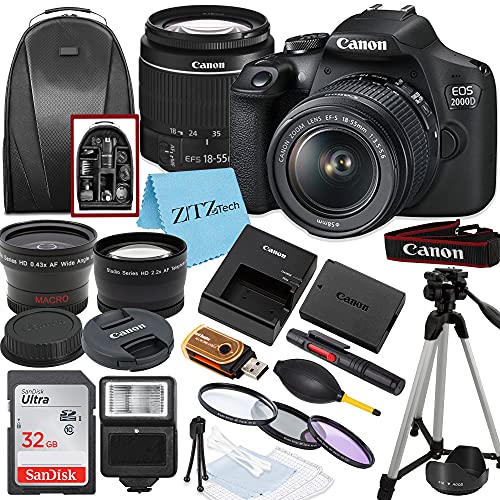
Features: 24.1 MP APS-C CMOS sensor; built-in Wi-Fi with NFC; lens versatility including telephoto, prime, and wide-angle options in bundled accessories. Best for: New shooters who want a complete starter kit with easy transfer and multiple lens options. Why selected: Bundles often simplify setup for beginners who want to post photos quickly. Caution: Bundle content can vary by seller; verify included accessories before purchase.
Canon Rebel XS DSLR Camera with EF-S 18-55mm Lens

Features: 10.1 MP CMOS sensor; 2.5-inch LCD; includes EF-S 18-55mm lens; DIGIC III processor. Best for: Buyers seeking a basic, no-fruss setup at a very low cost. Why selected: An affordable entry within Canon’s older lineup that still demonstrates essential DSLR fundamentals. Caution: Older tech may lack modern features or compatibility with newer editing workflows.
Buying Guide
What should you look for in an affordable DSLR for beginners?
- Sensor and image quality: A 24 MP APS-C sensor delivers crisp detail suitable for prints and online sharing. Higher ISO performance matters if you shoot in varying light.
- Lens kit flexibility: Kits with 18-55mm provide versatile everyday angles. Additional zooms (like 75-300mm) expand reach for wildlife or distant subjects.
- Connectivity: Built-in Wi-Fi or NFC helps quick sharing and remote shooting from a smartphone.
- Ease of use: Beginner-friendly menus, guide modes, and clear autofocus assist can shorten the learning curve.
- Bundle contents: Extra memory cards, a bag, and basic batteries reduce upfront extra purchases.
- Durability and weight: A lightweight body is comfortable for long sessions; ensure the grip feels secure for your hands.
How to choose between new, renewed, and bundles?
- New: Best for long-term reliability and warranty coverage; typically the simplest path for a first DSLR.
- Renewed/Refurbished: Often offers substantial savings with a warranty; good value if you want newer specs without full price.
- Bundles: Great for getting started quickly; verify exactly what accessories are included to avoid missing essential items.
What to consider about lens options?
- Standard kit lenses (18-55mm) cover most everyday scenes. They’re a reliable starting point.
- Telephoto or prime lenses broaden creative possibilities but add cost. Consider future upgrades once you’re comfortable.
- Compatibility: Ensure the lens mount (EF-S for Canon) matches the camera body you choose.
Maintenance and care tips
- Keep the sensor clean and use the camera’s cleaning modes or professional services if needed.
- Protect lenses from dust and moisture with a proper bag and lens caps.
- Regularly format cards in-camera and back up photos to a computer or cloud storage.
FAQ
- Q: Are affordable DSLR cameras good for beginners? A: Yes, models like the Rebel T7 provide straightforward controls, solid image quality, and helpful guidance features for new photographers.
- Q: Is a bundle worth it for a first camera? A: Bundles can save money on essential accessories, but verify exact contents before purchase.
- Q: Should I choose a renewed model? A: Renewed units offer cost savings with a warranty; ideal if you want newer specs without full price.
- Q: Do I need multiple lenses from the start? A: Not necessarily; start with a versatile kit lens and add lenses as your shooting needs grow.
- Q: Which feature matters most for beginner use? A: Ease of use and reliable autofocus often matter most for learning and consistent results.