Answering the question, the best action cameras for motorcycle use deliver stabilized, high-clarity footage, rugged durability, and mount-friendly designs. This guide highlights five top options that cater to riders, vloggers, and travelers who want reliable performance on the road. The featured models cover 360-degree capture, traditional wide-angle action, and rugged waterproof builds. A quick buyer’s table below helps you compare key points at a glance.
| Product | Main Strength | |
|---|---|---|
| Insta360 X3 | 5.7K 360 capture with AI reframing | riders who want post-film editing flexibility |
| DJI Osmo Action 4 | Low-light, color science, wide FOV | riders needing vibrant, immersive first-person footage |
| AKASO 360 Action Camera | 360° horizon lock and smoothness | riders seeking spherical footage on the go |
| AKASO EK7000 | 4K resolution and wide versatility | budget-conscious riders needing solid all-rounder |
| AKASO Brave 4 | 4K with multiple view angles and stabilization | riders wanting versatile POV angles |
Insta360 X3 360 Action Camera

The Insta360 X3 combines 5.7K 360 capture with the power of a traditional action camera. It enables reframing after capture, making it ideal for riders who want flexible editing options and the ability to switch perspectives without re-filming. Best for riders who value creative post-production and the ability to choose the best angle after the ride. Limitation: 360 workflows can require more editing time and processing power than standard single-lens footage.
Why chosen: 5.7K 360 capture provides immersive road footage, and AI-powered reframing lets you highlight the action from multiple angles later. Robust stabilization and flow-state style processing help reduce shake on rough roads. This model is well-suited for riders who document scenic routes and want share-ready clips with cinematic potential.
DJI Osmo Action 4 Essential Combo
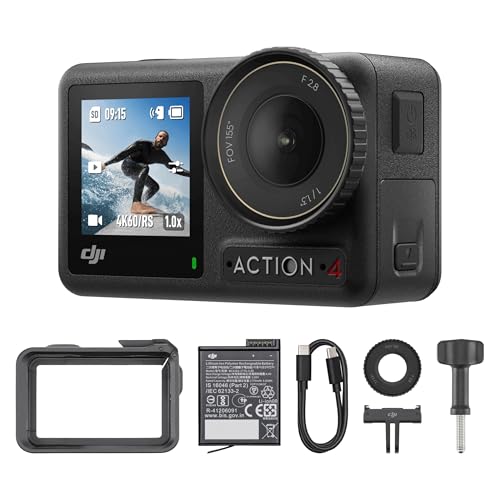
Best for riders who want superb low-light performance and vivid colors. The Osmo Action 4 uses a large sensor and color science designed to deliver true-to-life footage, especially in challenging lighting near dusk or dawn. It supports 4K at high frame rates and an ultra-wide field of view for immersive helmet or handlebar shots. Caution: premium features may require more powerful editing workflows and accessories for optimal results.
Why chosen: Superior low-light performance with a 1/1.3-inch sensor helps reduce grain, while 10-bit color and D-Log M support detailed post-editing. The 4K/120fps option enables slow-motion riding footage, and the wide 155° FOV minimizes blind spots in helmet-mounted angles.
AKASO EK7000 4K Action Camera

Best for budget-conscious riders who still want solid 4K footage and reliable stabilization. The EK7000 delivers 4K30Fps video and 20MP photos with built-in electronic image stabilization (EIS) for smoother motion. It’s a straightforward option for those who need a capable camera without extra frills. Limitation: the included waterproofing is practical but not suited for deep-water use beyond typical splash protection unless paired with a dedicated housing.
Why chosen: The 4K resolution at a reasonable price, plus EIS, makes it a dependable choice for everyday motorcycle filming. The rugged design and included waterproofing support outdoor riding in various weather conditions, and the simple interface suits riders who want quick setup on the go.
AKASO Brave 4 Action Camera

Best for riders who want versatile angles and integrated connectivity. Brave 4 offers 4K30 video with 20MP stills, a 170° adjustable view, and smart gyroscope-based stabilization for smooth footage while riding over rough roads. It supports Wi-Fi and HDMI, enabling quick sharing to mobile devices or larger displays. Caution: battery life can be limited during extended rides at high settings, so plan charging breaks accordingly.
Buying Guide
What to consider when choosing an action camera for motorcycle use:
- Resolution and Frame Rate: Higher resolutions (4K) with higher frame rates (60fps or higher) capture smoother motion, which helps with fast riding.
- Stabilization: Look for electronic or optical stabilization (EIS) to reduce camera shake on rough pavement.
- Field of View: A wider angle captures more of the road, but ultra-wide can distort edges. Consider mounts that can regulate perspective.
- Durability and Waterproofing: Rider gear benefits from rugged housings or built-in weather resistance for rain and dust.
- Weight and Mounting Options: Lightweight cameras with multiple mounting points fit helmets, handlebars, or saddle bags.
- Battery Life and Storage: Ensure enough capacity for long rides; consider models with removable batteries or external power options.
- Post-Production: 360-degree cameras require more editing; ensure software supports efficient processing if you plan to reframe after riding.
FAQ
- Q: Is 360-degree footage worth it for motorcycle riding? A: It offers post-capture reframing flexibility, letting you choose angles after the ride, which can enhance storytelling and social sharing.
- Q: Which camera is best for low-light riding? A: Cameras with larger sensors and good color science, like the DJI Osmo Action 4, tend to perform better in dim conditions.
- Q: Do action cameras require extra accessories? A: Mounts, housings, and cables can extend usefulness, but many models include essential mounts for motorcycles.
- Q: How important is stabilization for helmet cam footage? A: Very important; it reduces shake from head movements and road vibration, resulting in smoother video.
- Q: Should I choose 360-degree or standard action camera? A: 360 offers flexibility for editing; standard action cams are simpler and typically cheaper, with faster workflow.
- Q: Are these cameras waterproof? A: Many are water-resistant or come with a waterproof housing; verify IP rating and recommended use limits for each model.